Working as a waiter or waitress in Japan can be a rewarding experience for both locals and foreigners.
Many restaurants seek motivated workers who can adapt to Japanese hospitality standards.
This guide explains everything you need to know about waiter and waitress jobs in Japan, from requirements to career growth.
Understanding Waiter & Waitress Jobs in Japan
Japan’s service industry is known for precision and respect. Waiters and waitresses are essential in ensuring a pleasant dining experience.
Types of Establishments Offering Jobs
Restaurants across Japan offer diverse opportunities for service staff. Each type provides a unique work atmosphere.
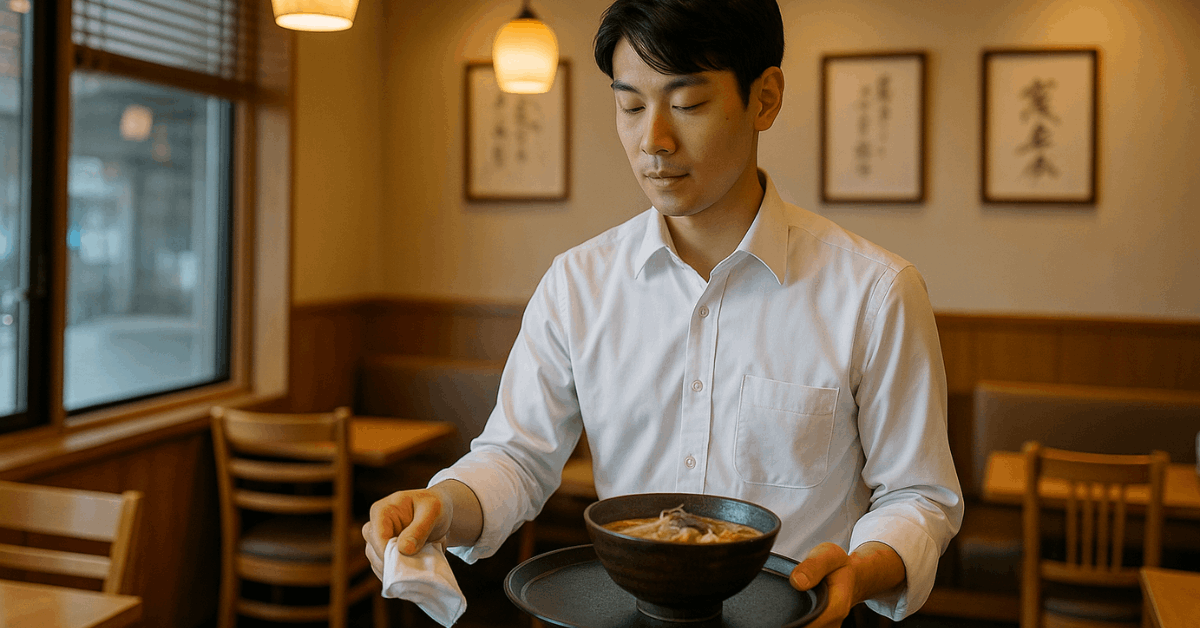
- Family restaurants (famiresu) catering to families and groups.
- Izakayas (Japanese pubs) have lively, fast-paced environments.
- Cafés and dessert shops emphasize presentation and calm service.
- Hotel restaurants offering formal and refined dining.
- Fast-food outlets and ramen shops require quick service and teamwork.
Job Requirements and Qualifications
Employers in Japan expect staff to be punctual, polite, and dependable. Certain jobs have specific age or visa requirements.
Knowing these qualifications helps you prepare a stronger application. Understanding the basics also ensures you meet the expectations before applying.
Basic Qualifications
Applicants should meet Japan’s labor and visa regulations. You’ll need to show readiness for work and basic language ability.
Most positions require you to be at least 18 years old, though some part-time jobs accept 16-year-olds.
A valid visa, such as a student, working holiday, or specified skilled worker visa, is necessary. Conversational Japanese (around JLPT N4–N3) and simple math skills are also beneficial.
Preferred Skills
Employers appreciate candidates who demonstrate adaptability and professionalism. Previous experience in food service gives you an advantage.
Understanding Japanese customs such as bowing and formal greetings improves your performance.
Flexibility to work weekends and busy periods is often required. A positive attitude and willingness to learn are essential for success.
Workplace Expectations and Etiquette
Japanese restaurants are known for their strict cleanliness and politeness standards. Maintaining proper behavior and appearance is crucial.
Uniforms are mandatory, and workers must follow grooming rules carefully. Following etiquette builds respect and trust among coworkers and customers.
Uniform and Grooming Standards
Uniforms must always be neat and clean. Workers should maintain short nails, tied hair, and avoid heavy perfume.
Jewelry should be minimal, and makeup should look natural. Consistency in appearance helps uphold the restaurant’s image. Presenting yourself professionally creates a good impression on guests.
Professional Conduct
Good manners are central to customer service in Japan. Greeting customers with “Irasshaimase” is expected in every establishment.
Keep a polite tone, avoid interrupting guests, and handle all requests promptly. Always thank customers after payment or when they leave. Consistent courtesy makes a strong impact on customer satisfaction.
Visa Options for Foreign Workers
Foreigners can legally work in Japan’s hospitality sector under specific visa categories. Each visa allows different working hours and job flexibility.
Choosing the right visa ensures compliance with immigration rules. Understanding these options helps you plan your career in Japan effectively.
Common Visa Types
A Student Visa allows up to 28 hours of work per week and is ideal for part-time jobs.
The Working Holiday Visa suits young adults from partner countries who wish to experience life and work in Japan.
The Specified Skilled Worker (SSW Type 1) visa is for those with hospitality experience and basic Japanese proficiency. Applicants for SSW must pass a language and skill test before approval.
Application Process
Applying for waiter and waitress jobs in Japan is simple when you prepare correctly. You can find positions both online and through personal referrals.
Employers appreciate applicants who show enthusiasm and understanding of Japanese service values. Preparation and presentation often determine hiring success.
Where to Apply?
You can search for opportunities on reliable job websites such as TownWork, Hello Work, and GaijinPot.

Mobile apps like LINE Baito and Indeed Japan offer part-time openings. Choosing local establishments can increase your chances of immediate hiring.
Step-By-Step Application Process
Follow this process to apply efficiently and professionally.
- Prepare a Japanese-style resume (rirekisho) with your photo attached.
- Submit your application online or hand it directly to the manager.
- Attend the interview in tidy, conservative clothing.
- Wait for confirmation or orientation details after the interview.
Training and Work Schedule
Training helps new employees learn Japan’s high service standards. Most restaurants provide several days of paid training before assigning full duties.
This period focuses on improving customer interaction and teamwork. Following instructions during training ensures a smoother adjustment later.
What Training Covers?
You’ll learn practical skills to handle daily operations efficiently. Topics often include customer greetings, taking orders using tablets, and handling payments.
Hygiene and food safety are always part of the lessons. You’ll also practice cleaning procedures and closing tasks. Training sessions prepare you to work independently with confidence.
Work Hours and Shifts
Working hours depend on whether the position is part-time or full-time. Part-time employees usually work four to six hours a day, ideal for students or secondary jobs.
Full-time staff work eight-hour shifts and may rotate weekends or holidays. Overtime can occur during peak dining hours. Consistency and punctuality are highly valued in all roles.
Average Salary and Benefits
Earnings vary depending on location, experience, and job type. Major cities like Tokyo and Osaka tend to offer higher hourly rates.
Rural areas may pay less but often provide additional benefits. Understanding salary expectations helps you plan your budget and savings.
Typical Salary Range
Part-time workers typically earn between ¥1,050 and ¥1,400 per hour. Full-time employees usually receive ¥180,000 to ¥250,000 per month.
Workers with strong Japanese skills or leadership experience can earn more. Some employers offer performance-based bonuses after probation. Reliable attendance and good feedback often lead to pay raises.
Common Benefits
Many restaurants provide additional support to their staff. These include free or discounted meals, transportation allowances, and uniform maintenance.
Overtime pay applies for late-night or extra hours. Employees may also receive discounts on food or beverages. Benefits help balance long work hours with added value.
Challenges and How to Overcome Them
Adjusting to Japan’s work culture can be challenging at first. Foreign workers often face language barriers and fatigue from standing long hours.
However, most difficulties can be managed through patience and practice. Employers appreciate effort and consistency more than perfection.
Common Challenges
Workers sometimes struggle to understand fast Japanese conversations. Others find it tiring to maintain energy during busy shifts.
Strict schedules and timekeeping may also require adjustment. Some staff experience homesickness or communication issues with coworkers. Overcoming these takes determination and open-mindedness.
Tips to Succeed
Practical habits can help you perform better and adapt faster.
- Practice basic Japanese phrases for greetings and service.
- Show respect to senior staff and follow their instructions carefully.
- Stay positive and calm during high-pressure periods.
- Focus on punctuality and personal improvement daily.
Career Growth Opportunities
Waiter and waitress jobs can serve as a gateway to a long-term career in hospitality. Japan rewards effort and commitment with advancement.
Those who perform well can move into leadership or training roles. These positions often include higher pay and responsibility.
Possible Career Paths
After gaining experience, you can become a shift leader or restaurant supervisor. Some employees move on to management, overseeing daily operations and training new staff.
Others specialize in hospitality education or hotel service roles. Career growth depends on your language ability, performance, and consistency. Continuous learning ensures long-term progress in this field.
Tips for Foreign Workers
Adapting to Japanese culture makes your work smoother and more enjoyable. Respecting traditions and maintaining politeness will help you earn trust from your coworkers.
- Learn and use keigo, Japan’s polite speech form.
- Observe how Japanese staff greet and serve customers.
- Keep a notebook to remember common phrases or instructions.
- Join group meals or company activities to build good relationships.
Final Thoughts: Start Your Journey in Japan’s Hospitality Industry
Waiter and waitress jobs in Japan provide steady employment and meaningful experiences. These roles teach valuable lessons in discipline, teamwork, and respect.
Whether you’re a student or a full-time worker, this job helps improve your Japanese and professional skills.
Prepare your documents, practice the language, and explore Japan’s growing food service industry today.