Japan’s transport industry continues to expand rapidly, creating strong demand for skilled drivers.
Driver jobs in Japan offer stability, cultural experience, and a steady income for those who meet the qualifications.
This guide explains everything from job types and visa options to application steps and salary expectations.
Overview of Driver Jobs in Japan
Driving careers in Japan are highly valued due to the country’s precise logistics system. Employers seek drivers who can operate efficiently and respect the nation’s strict traffic laws.
You’ll find openings in delivery, taxi, bus, and freight transport, depending on your background and visa status. Understanding the industry helps you choose the best path before applying.
Types of Driver Jobs Available
Japan offers a range of driving jobs suited to different skill levels and goals. The options below summarize the most common positions available for foreign and local applicants.
- Delivery Drivers – Work for major logistics companies such as Yamato, Sagawa, and Amazon Japan, delivering parcels within assigned routes.
- Taxi Drivers – Operate in urban areas under local taxi firms or platforms like Uber Japan; some firms offer training and English support.
- Bus Drivers – Employed by public transportation systems or private firms serving schools, hotels, or tour routes.
- Truck and Logistics Drivers – Handle long-distance freight or warehouse deliveries, often offering higher salaries but longer hours.
- Chauffeurs and Private Company Drivers – Provide driving services for executives or clients, emphasizing discretion and professionalism.
Working Conditions and Job Demand
Japan faces a driver shortage as many workers retire without enough replacements.
Urban centers like Tokyo, Osaka, and Nagoya offer more opportunities, while rural regions rely on logistics drivers for goods transport.
Most jobs involve structured shifts and mandatory rest breaks. Companies maintain strict punctuality standards and provide safety training for all employees.
Basic Requirements for Driver Jobs
Before applying, it’s important to meet Japan’s professional and legal standards for drivers.
Employers verify driving records, language ability, and eligibility to work. Having the right documentation increases your chances of employment.
General Requirements
You must hold a valid license and have good communication skills. Most companies also require medical clearance and a clean background check.
- Driving License: Either a Japanese license or a converted foreign one.
- Language Skills: JLPT N4 or higher preferred for understanding instructions.
- Background: No history of serious traffic or criminal violations.
- Age Range: Usually between 21 and 60 years old, depending on company policy.
Driver’s License Conversion
If you already have a foreign driver’s license, you can convert it for use in Japan. Visit your local licensing center with your passport, residence card, and Japanese
Automobile Federation (JAF) translation. Some countries—such as the UK, France, and Germany—have agreements that simplify the process.
Applicants from other countries must take written and practical driving tests before approval.
Visa Options for Foreign Drivers
To work legally in Japan, you’ll need an appropriate visa type. The category depends on your qualifications and the kind of driving job you plan to pursue. Employers often assist in the visa sponsorship process once you’re hired.
Specified Skilled Worker (SSW) Visa
This visa allows foreign workers to join the logistics and transportation industries. Applicants must pass a Japanese language and technical skill test.
It offers renewable status and multiple years of residence. After sufficient experience, you can transition to a higher-tier working visa.
Technical Intern Training Visa
This visa supports trainees gaining experience through employer programs. It’s ideal for those starting in delivery or transport roles while learning Japanese workplace standards.
The visa can later be upgraded to a working visa after completing training. Companies provide on-site instruction and housing support to interns.
Permanent Resident and Spouse Visa Options
If you already have permanent residency or are married to a Japanese national, you can freely apply for driving jobs.
These visa types don’t restrict employment categories. Many foreign residents choose this path for long-term job stability.
Application Process
Applying for a driving job in Japan requires careful document preparation and an understanding of company expectations.
Recruiters look for applicants who show discipline, punctuality, and safety awareness.
Step-By-Step Application Guide
Prepare your documents and apply online or through employment agencies. Follow these steps to increase your chances:
- Prepare a Japanese-format resume (rirekisho) with accurate contact details.
- Attach a copy of your driver’s license and residence card.
- Pass the company’s interview and sometimes a driving skill assessment.
- Attend orientation and safety training once you’re hired.
Where to Apply?
You can find openings through online job portals or dispatch agencies. Some employers prefer local applicants already residing in Japan.

- Hello Work (Government Job Center) – Offers listings for foreigners and Japanese citizens.
- Private Job Portals – GaijinPot, Daijob, and Indeed Japan post current vacancies.
- Company Websites – Major logistics and taxi firms post direct recruitment links.
Salary and Benefits
Driving jobs in Japan offer steady income and various allowances. Wages depend on the job type, experience level, and working region.
Companies typically pay bonuses twice a year under standard employment contracts.
Average Monthly Salary by Job Type
These figures can increase with overtime or night shifts. Drivers working in Tokyo or Osaka tend to earn more due to living costs and higher demand.
| Job Type | Average Monthly Salary (JPY) |
|---|---|
| Delivery Driver | ¥250,000–¥350,000 |
| Taxi Driver | ¥230,000–¥400,000 (with commission) |
| Bus Driver | ¥280,000–¥380,000 |
| Truck Driver | ¥300,000–¥450,000 |
Common Benefits
Many employers provide social insurance, housing, and transportation support. Benefits may include:
- Health and Pension Insurance for full-time staff.
- Paid Leave and Bonuses based on company policy.
- Fuel or Vehicle Allowance for long-distance drivers.
- Overtime Pay following Japan’s Labor Standards Act.
Key Challenges and Safety Regulations
Japan maintains one of the world’s safest road networks. However, drivers must strictly follow regulations and respect company protocols. Understanding these rules helps you avoid penalties and maintain employment.
Traffic Laws and Penalties
Drinking and driving are strictly prohibited, with zero-tolerance enforcement. Speeding, parking violations, and phone use while driving can lead to immediate fines.
Many companies use GPS tracking and dashboard cameras to ensure compliance. Employers expect drivers to report incidents promptly and accurately.
Physical and Mental Demands
Driving for long hours requires good health and stamina. Regular rest periods are legally mandated to avoid fatigue.
Most firms conduct annual medical checkups for employees. Maintaining focus and punctuality is essential for professional credibility.
Tips to Succeed as a Driver in Japan
Success as a driver in Japan depends on professionalism and respect for work culture. Employers appreciate candidates who demonstrate reliability and strong communication skills.
Professional Conduct and Communication
Japanese customer service places great emphasis on courtesy. Drivers are expected to greet passengers politely and maintain a tidy vehicle.
Punctuality is essential in both logistics and passenger transport. Positive attitude and teamwork improve long-term job prospects.
Maintaining Vehicle and Records
Routine inspection of brakes, tires, and engine oil prevents accidents and ensures efficiency. Keep accurate records of deliveries, mileage, and maintenance schedules.
These details are often reviewed by management. Cleanliness and attention to detail reflect your discipline as a professional driver.
Learning Japanese Etiquette
Understanding Japanese etiquette strengthens your relationship with coworkers and clients. Using polite expressions (keigo) shows respect.
Always follow the company hierarchy and respond promptly to instructions. Adapting to cultural norms builds trust and long-term career success.
Cost of Living and Accommodation
The cost of living in Japan varies depending on the city. Most driving companies offer housing assistance to foreign employees.
Housing and Utilities
In rural areas, rent can range from ¥40,000–¥60,000, while in cities it may reach ¥80,000 or more. Utilities and internet bills typically cost around ¥10,000–¥15,000 per month.
Shared dormitories are common for trainees and interns. Employers may deduct housing fees directly from wages.
Transportation and Daily Expenses
Public transport is reliable but costly in large cities. Some companies provide commuter passes or personal vehicle allowances.
Meals at convenience stores range from ¥400–¥800 per serving. Budgeting properly ensures a comfortable life in Japan.
Future Outlook and Career Growth
Japan’s logistics and mobility industries continue to evolve with new technologies. Skilled and responsible drivers remain in strong demand nationwide.
Career Path Opportunities
Many drivers advance into supervisory roles or fleet management. Experienced workers may also transition into training or dispatch positions.
Some choose to open their own delivery or private transport businesses after several years. The sector offers stable long-term growth for disciplined employees.
Technological Shifts
Electric and hybrid vehicles are becoming common among transport companies. GPS routing, digital scheduling, and AI-powered logistics enhance efficiency.
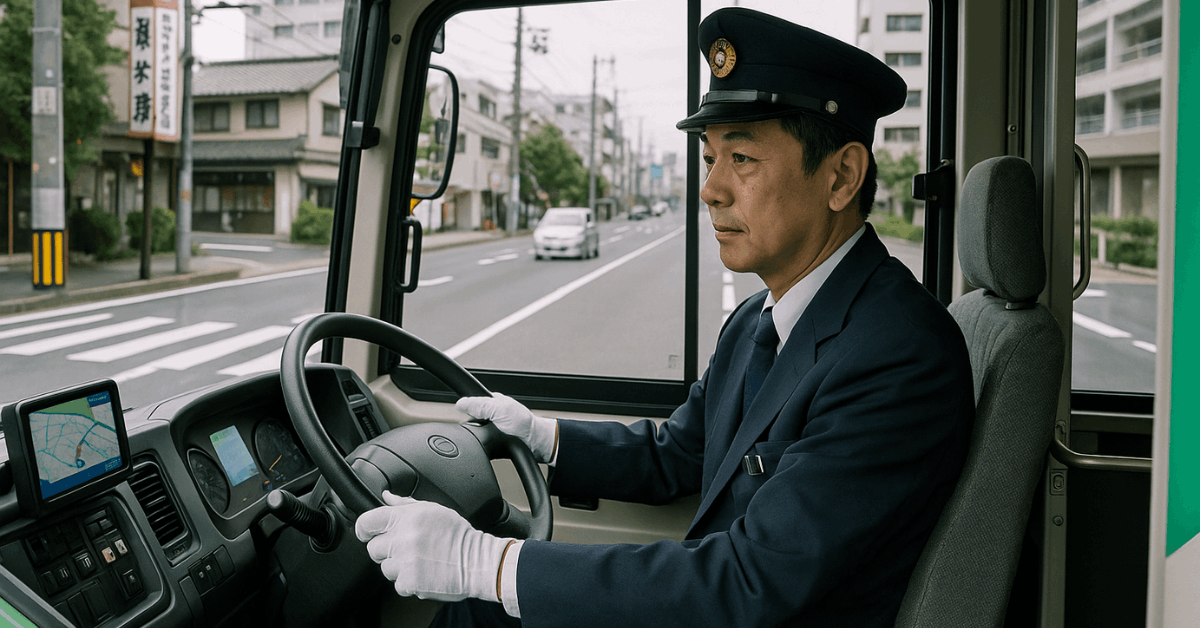
Drivers who adapt to these systems gain a competitive edge. Sustainability initiatives also increase demand for eco-friendly operations.
Conclusion – Building a Steady Career in Japan’s Driving Industry
Becoming a professional driver in Japan offers a steady income and valuable experience in a respected field.
By meeting the requirements and visa conditions, you can join a reliable workforce that keeps Japan’s logistics running.
Learning the language and understanding cultural expectations helps secure long-term stability. Start preparing your documents and apply confidently to begin your career in Japan’s thriving transport industry.