Japan’s aging population continues to increase the demand for skilled professionals in elder care.
Caregiver Jobs in Japan offer foreign workers a stable opportunity through the Kaigo Visa program.
This guide explains how the visa works and who can apply. It also covers training, salaries, and cultural aspects of caregiving in Japan.
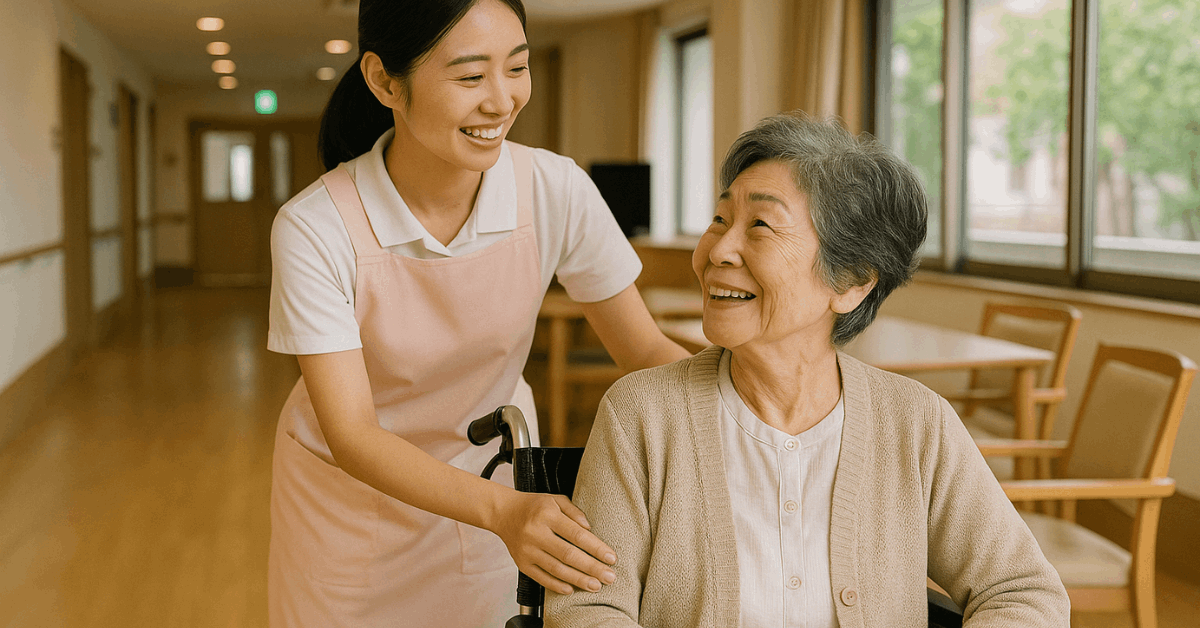
Understanding the Kaigo Visa
Japan designed the Kaigo Visa to fill the shortage of caregivers and support its elderly citizens.
It allows foreign nationals to work legally in healthcare and caregiving institutions. Understanding this visa’s requirements helps you prepare your documents properly and meet Japanese labor standards.
What Is the Kaigo Visa?
The Kaigo Visa is part of Japan’s skilled labor categories under its immigration system.
It is available to foreign nationals who studied caregiving in Japan or completed a certified training program.
You must have at least JLPT N4 proficiency to communicate effectively with patients and staff. This visa lets you work in hospitals, care homes, and welfare facilities that require professional caregiving services.
Requirements for Application
To apply, you must meet both educational and professional qualifications. Applicants should possess a degree or certificate in nursing, caregiving, or a related field.
You also need a clean health record, background clearance, and a Japanese employer willing to sponsor you.
These requirements ensure that foreign caregivers meet Japan’s caregiving standards and patient safety rules.
Application Process
Applying for the Kaigo Visa follows clear steps.
- Secure a job offer from a licensed caregiving institution.
- Obtain a Certificate of Eligibility from your employer.
- Submit your documents to the nearest Japanese embassy or immigration bureau.
- Wait for processing and visa approval before entering Japan.
- Once approved, prepare for relocation and employment orientation.
Types of Caregiver Jobs in Japan
Caregiver roles in Japan cover various fields depending on the workplace and the needs of clients. Each position offers a unique experience and skill focus.
Understanding these differences helps you find the right match for your expertise and goals.
Common Job Roles
Below are common caregiving positions you can apply for in Japan.
- Home Care Assistant – Helps elderly or disabled clients in their homes with daily routines, meal preparation, and mobility support.
- Nursing Home Caregiver – Works in residential care facilities to assist with hygiene, medication reminders, and companionship.
- Hospital Care Staff – Supports nurses and doctors with patient assistance, lifting, and maintaining hygiene in medical settings.
- Rehabilitation Support Worker – Assists patients recovering from surgery or illness in regaining physical and emotional stability.
- Special Needs Caregiver – Provides personalized assistance to individuals with disabilities in therapy or educational environments.
Workplaces That Hire Foreign Caregivers
Caregiver jobs are available in both public and private sectors. Many foreigners work in nursing homes, rehabilitation centers, and elderly welfare facilities.
Some positions are offered through home-care agencies and community-based programs.
These workplaces ensure full-time employment, accommodation assistance, and cultural orientation support.
Training and Certification
Caregiver training in Japan prepares workers to meet the country’s professional standards. It covers language, ethics, and practical caregiving techniques.
Completing this training ensures that you can provide safe and culturally respectful care.
Mandatory Training Programs
The Japanese government offers structured training under international agreements.
- EPA Program (Economic Partnership Agreement) – Provides training for caregivers from the Philippines, Indonesia, and Vietnam.
- Kaigo Certification Courses – Offered by Japanese schools and accredited centers for foreign workers.
- Healthcare Diplomas – Some universities and vocational schools allow foreign students to study caregiving directly in Japan.
Language and Cultural Training
Language and cultural understanding are essential for success. Caregivers must pass JLPT N4 or N3 to communicate effectively.
Training also includes learning about Japanese work ethics, punctuality, and elder respect. Adapting to cultural norms improves relationships with patients and co-workers.
Salary, Benefits, and Working Conditions
Caregiver salaries depend on certification, experience, and work location. Most employers provide stable wages, housing options, and transportation benefits.
Japan’s labor laws ensure fair pay and regulated working hours for all foreign employees.
Average Salary Range
Entry-level caregivers earn around ¥180,000 to ¥220,000 per month. Experienced or certified workers may receive up to ¥300,000 monthly, plus bonuses.
Some employers also provide allowances for overtime and night shifts. These benefits make caregiving in Japan a financially sustainable career choice.
Standard Work Hours and Shifts
Caregivers typically work 8 hours a day for five to six days per week. Rotational schedules may include evening or weekend shifts.
Employers often provide paid leave, health insurance, and national pension coverage. This structure ensures a healthy work-life balance for foreign staff.
How to Find Caregiver Jobs in Japan?
There are several ways to find reliable caregiver employment in Japan. You can apply through government programs, licensed agencies, or verified job portals. Make sure your application matches the requirements of each organization.

Trusted Job Platforms
You can explore legitimate websites to find caregiver opportunities.
- Hello Work Japan – The official government job-matching site with verified listings.
- GaijinPot Jobs – Features caregiving positions open to foreign applicants.
- CaregiverJapan.com – Focused on healthcare and care support work.
- LINE Jobs and TownWork – Popular platforms for full-time and part-time job searches.
Through Certified Agencies
Working with an agency ensures you follow legal processes. The Japan International Corporation of Welfare Services (JICWELS) handles caregiver placements under the EPA program.
Many applicants from the Philippines, Indonesia, and Vietnam have successfully entered Japan through this route. Certified agencies help with documentation, interviews, and visa preparation.
Visa Renewal and Permanent Residency
Your Kaigo Visa can be renewed as long as your employment continues. After several years of stable work, you may qualify for permanent residency. Maintaining compliance with immigration laws is key to long-term success.
Renewal Process
Visa renewals usually occur every one to three years, depending on your contract. You must present employment proof, tax records, and a valid residence card.
Your employer provides confirmation of continued work status. Submitting complete documents ensures smooth renewal approval.
Path to Permanent Residency
You can apply for permanent residency after five years of continuous employment in Japan.
Applicants must have clean records, pay taxes on time, and contribute to the national pension system.
Becoming a permanent resident allows you to work freely without employer sponsorship.
Challenges and Cultural Adjustments
Adapting to life and work in Japan can be challenging but rewarding. Cultural understanding and language fluency make your transition easier.
Foreign caregivers who prepare mentally and emotionally tend to succeed in the long term.
Common Challenges
Working in Japan may involve adjusting to strict work ethics and communication styles. Some caregivers face language difficulties and cultural misunderstandings.
Physical fatigue is common due to long shifts and active care routines. Emotional resilience and teamwork help overcome these daily challenges.
Cultural Integration Tips
Following Japan’s customs can strengthen your relationships with co-workers and clients.
- Learn and use polite Japanese phrases daily.
- Respect hierarchy and teamwork in the workplace.
- Participate in local or company events to build friendships.
- Maintain a positive and professional attitude at all times.
Rights and Legal Protections
Foreign caregivers in Japan enjoy full labor rights and protections under the law. Knowing these rights helps you avoid exploitation and workplace disputes. Japan’s labor system promotes fair treatment and job security for all workers.
Labor Rights Overview
Caregivers are entitled to fair wages, paid leaves, and safe working conditions. Employers must provide health insurance, pension, and proper employment contracts.
You can file a complaint at the Labor Standards Office (Rōdō Kijun Kantokusho) if rights are violated. These measures ensure that your work environment remains professional and lawful.
Support Channels
If you encounter legal or visa issues, you can contact the Immigration Services Agency.
Nonprofit organizations in Japan also offer multilingual support for foreign caregivers.
Some local governments provide counseling or language interpretation during disputes. These services protect you throughout your employment journey.
Final Thoughts: Start Your Caregiving Journey in Japan
The Kaigo Visa opens doors to a stable and meaningful career in Japan’s healthcare sector.
By meeting training, language, and visa requirements, you can start a fulfilling caregiving role.
The profession offers financial stability and personal growth for those ready to serve others with compassion. Take the next step and apply through official channels to begin your caregiving journey in Japan.