Japan’s manufacturing sector continues to attract job seekers seeking structured work, predictable schedules, and stable income.
Many people researching factory jobs in Japan struggle to identify legitimate job postings and understand how the hiring process works. This confusion often leads to applications submitted through unofficial channels or incomplete submissions.
This article explains where to apply using official websites, what factory roles involve, and what requirements you must prepare. It also outlines the benefits and the correct application process. The goal is to provide accurate guidance that helps you apply with confidence.
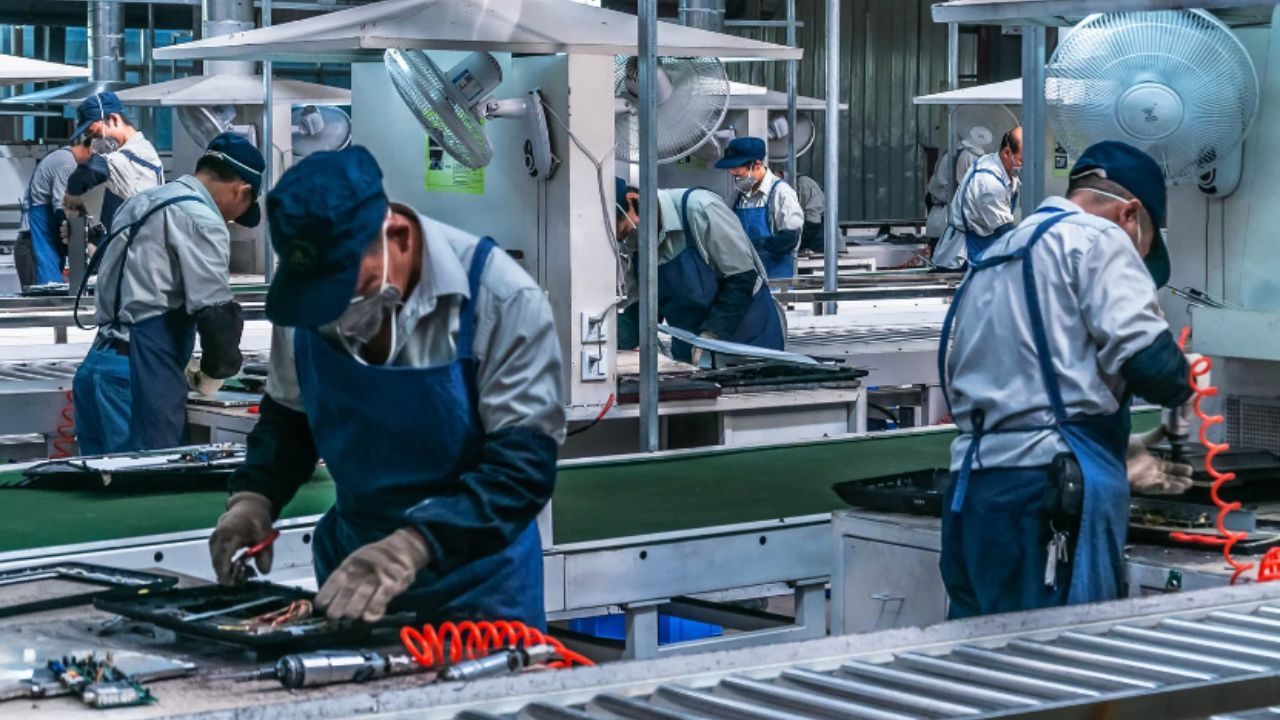
Understanding Factory Jobs In Japan And Who They Are For
Factory jobs in Japan are available across multiple industries and are designed for workers with different experience levels.
These positions are common in automotive manufacturing, electronics production, food processing, and industrial equipment assembly.

Work environments are structured, safety-focused, and guided by standardized procedures. Shifts may include rotating schedules depending on production demands.
Clear employment decision-making starts when applicants understand these expectations early and reduce the risk of job mismatch. This overview supports informed choices before applying.
Common Industries Hiring Factory Workers In Japan
Japan’s automotive industry hires factory workers for assembly-line, component-handling, and inspection tasks. Electronics manufacturers recruit workers for circuit assembly, device testing, and packaging operations.
Food processing factories operate year-round and require consistent staffing to maintain output.
Each industry follows strict rules related to hygiene, timing, and quality control. Applicants should evaluate industry requirements carefully. Understanding these differences leads to better role selection outcomes.
Typical Work Environments And Shift Structures
Factories in Japan operate under clearly defined production systems with assigned responsibilities. Workers follow detailed instructions and safety protocols throughout each shift.
Shift schedules may rotate weekly or monthly, depending on the employer. Some roles involve standing or repetitive motion for extended periods.
Knowing these conditions helps you prepare physically and mentally for daily work demands. This awareness supports long-term workplace adjustment.
Who Is Most Likely To Get Hired
Employers value reliability, punctuality, and consistency more than prior factory experience. Many companies provide training for entry-level workers who meet basic requirements.
Applications with complete and accurate documentation move faster through the screening process. Basic Japanese language comprehension is often sufficient for routine tasks.
Attendance and availability are closely evaluated. Strong hiring candidates consistently demonstrate dependable schedules and commitment.
Official Websites To Apply For Factory Jobs In Japan
Using verified platforms is essential when applying for factory jobs in Japan, ensuring safe job application access for applicants.
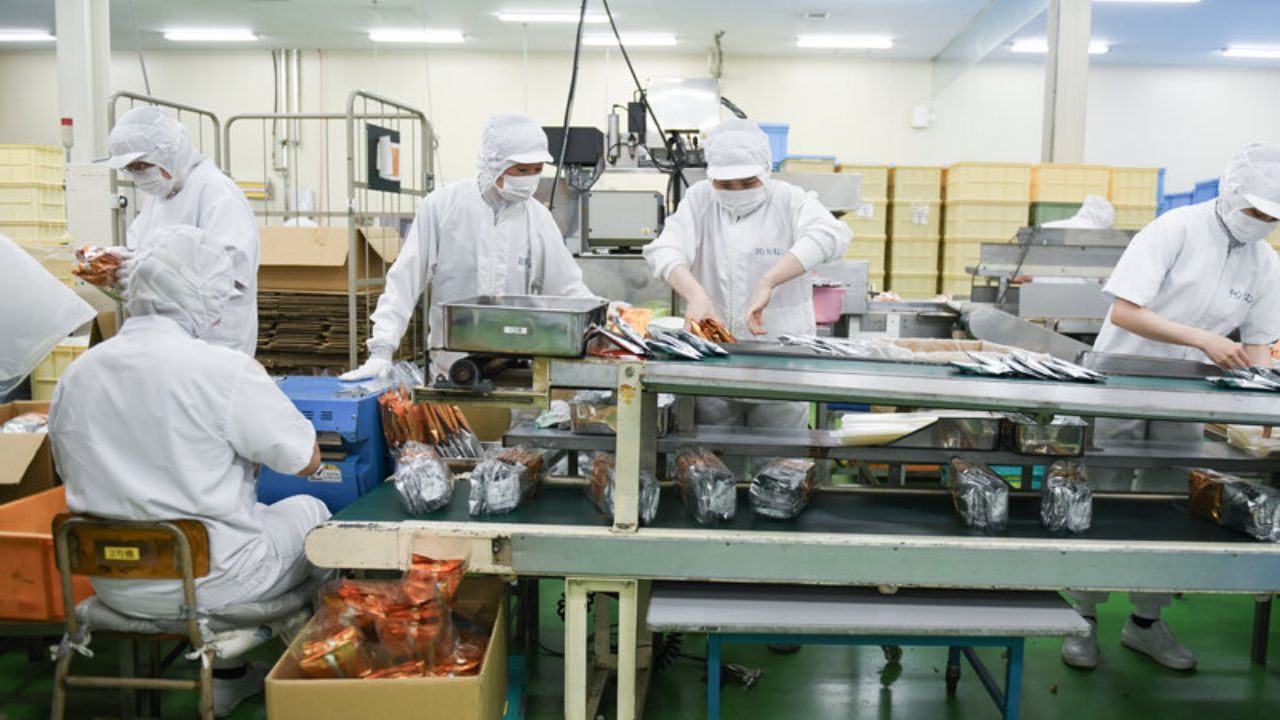
Official websites reduce the risk of scams and unclear employment conditions. Many employers and licensed agencies publish job listings with transparent requirements.
Informal recruitment channels often lack accountability. Reliable sources protect your time and personal information. Choosing official platforms ensures safer applications.
Japanese Government And Public Employment Platforms
Hello Work is Japan’s government-operated employment service that lists factory job openings nationwide.
All listings are verified before publication to ensure legitimacy. Some locations provide limited support for foreign job seekers.
Staff can explain application procedures and required documents. Language support depends on the office. Hello, Work offers high-trust employment listings.
Large Manufacturing Company Career Pages
Major manufacturers advertise factory positions directly on their official websites. Frequently update career pages, automotive and electronics companies post new openings as production needs change.
Listings include job descriptions, location details, and benefit information. Applying directly reduces reliance on intermediaries.
Regular monitoring is necessary because openings may close quickly once filled. These pages provide direct employer hiring information.
Trusted Recruitment Agencies With Legal Authorization
Licensed recruitment agencies legally place workers into factory jobs across Japan. These agencies often assist with housing, orientation, and employment contracts.
Applicants should verify agency registration through official Japanese records before proceeding. Contracts must clearly state wages, hours, and conditions.
Reputable agencies explain all terms openly. Authorized agencies create structured pathways to employment.
Roles And Daily Responsibilities In Japanese Factories
Factory roles in Japan, which support efficiency and quality, are task-specific and designed to maintain production standards. Each position contributes to a defined stage of the manufacturing process.
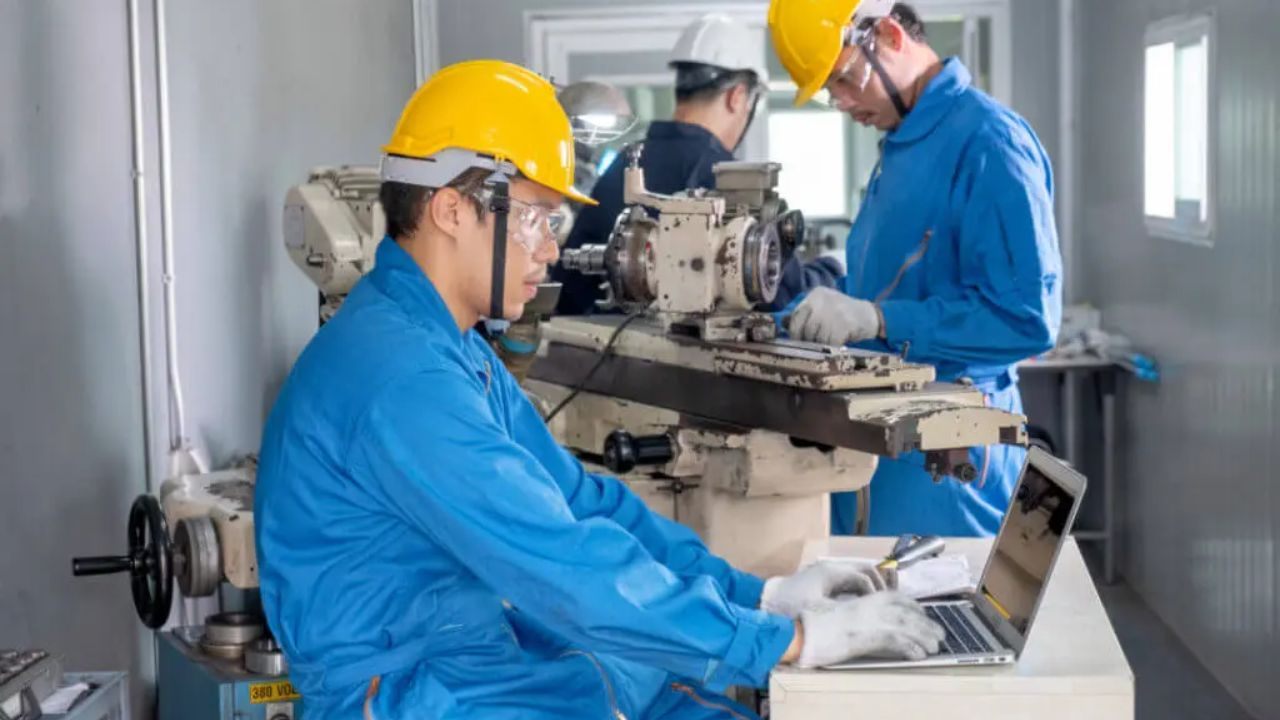
Understanding daily duties helps applicants choose a suitable role. Physical demands vary depending on the department. Accuracy and consistency are required across all roles. Clear role knowledge supports effective job matching decisions.
Assembly Line And Production Support Roles
Assembly line workers perform repetitive tasks as products move through production stages. Precision and timing are essential to maintain output flow and meet production targets. Workers follow standardized movements and procedures.
Training is provided at the beginning of employment. Mistakes can affect overall production quality. These roles require consistent operational discipline.
Quality Control And Inspection Positions
Inspection workers identify defects or irregularities in manufactured products. Tasks include visual checks and tool-based measurements. Attention to detail is critical to prevent faulty shipments from leaving the facility.
Training covers inspection standards and reporting processes. Sustained focus is required throughout shifts. These roles demand high accuracy awareness.
Packaging, Logistics, And Warehouse Functions
Packaging roles involve preparing finished products for shipment and storage. Warehouse positions include sorting, labeling, and inventory movement. Physical endurance and coordination are often necessary.
Safety procedures are strictly enforced to prevent injuries and maintain efficiency. Team communication ensures smooth operations. These functions support reliable product distribution.
Requirements And Documents You Must Prepare Before Applying
Preparation is critical before submitting applications for factory jobs in Japan. Employers expect you to meet legal and practical requirements.
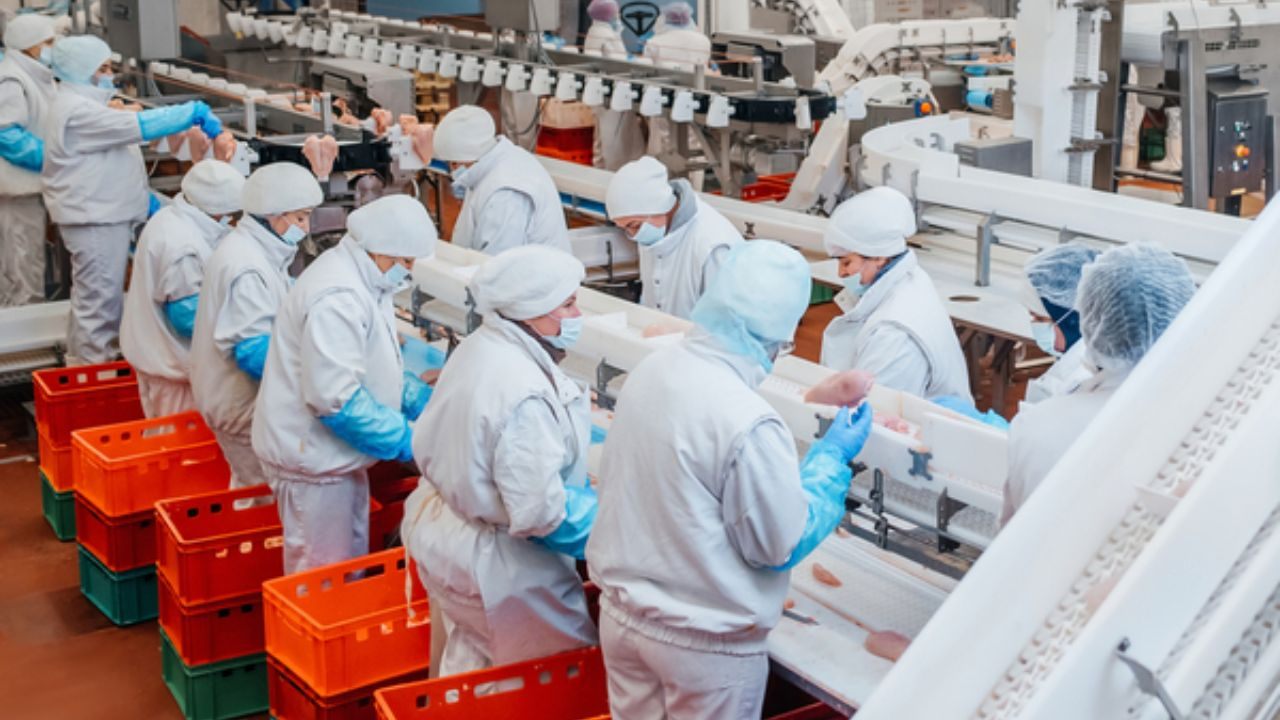
Missing documents often delay or stop the hiring process. Organizing materials early improves response times and reduces processing issues. Readiness demonstrates professionalism. Proper preparation reflects serious employment intent.
Visa Types And Work Eligibility Basics
Foreign applicants must qualify for an appropriate work visa before employment begins in Japan. Common options include specified skilled worker programs tied to manufacturing sectors.
Some employers sponsor visas through licensed agencies. Eligibility depends on nationality and job category. Immigration rules may change. Confirming visa status prevents application processing delays.
Required Documents And Resume Expectations
Applicants typically need a resume formatted to Japanese standards, along with identification and work eligibility documents. Some employers request medical checks before confirmation.
Translations may be required for foreign documents. Accuracy is essential in all submissions. Errors can slow processing. Complete documentation shows application reliability.
Language Requirements And Practical Skill Tests
Most factory roles require only basic Japanese comprehension. Understanding instructions is usually sufficient for daily tasks. Employers may require simple aptitude or coordination tests to assess attention and basic motor skills.
These tests help determine suitability for repetitive work. Preparation reduces stress during screening. Language readiness supports smooth onboarding transitions.
How To Apply Correctly And Increase Your Chances Of Selection
Applying correctly improves your chances of receiving a response from employers. You must follow official instructions exactly as listed on the application platforms.
Accurate information prevents unnecessary delays. Hiring timelines vary by region and demand. Patience is necessary throughout the process. A careful approach builds competitive application strength.
Submitting Applications Through Official Channels
Applications should be submitted only through verified websites or licensed agencies to ensure legitimacy. Follow submission instructions carefully and completely. Upload documents in the required formats.
Review personal information before final submission. Errors can slow the review process. Proper submission demonstrates attention to detail.
Interview Formats And What Employers Evaluate
Factory interviews are typically structured and brief. Employers evaluate reliability, availability, and work attitude when speaking with candidates. Questions focus on readiness and schedule flexibility.
Clear and honest answers are preferred. Overstating experience is discouraged. Interviews assess workplace suitability factors.
Timelines, Follow-Ups, And Job Offer Confirmation
Response times range from several days to a few weeks, depending on demand. You should monitor email and phone messages regularly. Follow up only when instructed.
Job offers are issued in writing with clear contract terms and conditions. Review all details carefully before accepting. Proper follow-up ensures clear employment agreements.
Conclusion
Factory employment in Japan offers stability when approached with accurate information and preparation. Applying through official platforms reduces risk and confusion. Understanding roles, requirements, and benefits supports better decisions.
Preparing documents in advance improves hiring outcomes. With verified sources and a structured approach, factory jobs in Japan become a realistic and achievable employment option.