Unexpected expenses can make fast access to money feel urgent. Instant loans may provide quick funding, but convenience can come with significant costs.
This guide explains loan types, fees, credit effects, alternatives, and safer comparison steps. It also covers regulation, lender checks, and warning signs before borrowing.
Understanding Instant Loan Options
Instant loans are marketed around speed and accessibility rather than one structure. They may include payday loans, installment loans, or credit-line advances offered online or through apps.
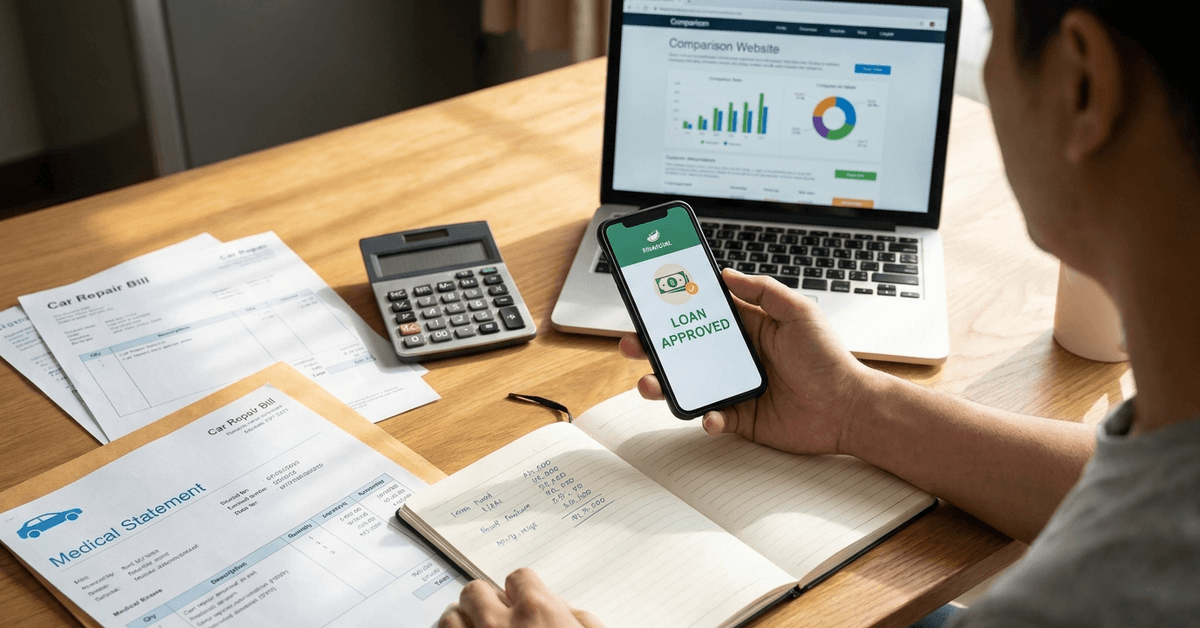
How Instant Loans Work?
Most applications request identity, income, and banking information before a lender evaluates eligibility.
Some lenders decide quickly, while funding depends on approval, verification, banking systems, and lender policies. Fast approval does not mean affordable borrowing.
Main Types of Instant Loans
Instant borrowing can take several forms with different repayment structures. Understanding the product type is essential before comparison.
- Payday loans: Small, short-term loans often due around the borrower's next payday.
- Installment loans: Loans repaid through scheduled payments over a longer period.
- Credit-line advances: Funds drawn from an approved revolving credit line when needed.
- App-based advances: Small advances offered through certain financial or earned-wage apps.
Where Instant Loans Are Offered?
Borrowers can encounter these products through multiple channels. Licensing, pricing, and availability vary by location.

- Online lenders
- Mobile lending apps
- Banks or credit unions
- Peer-to-peer platforms
- Local storefront lenders
Reasons People Consider Instant Loans
People often consider instant loans because timing matters during emergencies and traditional borrowing can take longer. The decision may involve avoiding a missed payment, repairing essential transportation, or covering another unavoidable expense.
Situations Where Speed Matters
Urgent borrowing usually relates to time-sensitive household expenses that cannot be postponed. Before borrowing, compare the loan's cost with the consequences of delaying the payment.
- Unexpected medical expenses
- Rent or utility deadlines
- Emergency travel
- Essential vehicle repairs
- Urgent household repairs
What to Watch for Before Applying?
Fast loans can carry higher borrowing costs than conventional credit. Review the APR, fees, payment schedule, and consequences of missed payments before acceptance.
Interest Rates and Fees
The annual percentage rate makes different credit products easier to compare because it includes interest and certain fees. Payday loans can carry especially high APRs because fees are charged over very short repayment periods.
Origination, documentation, late, rollover, or other charges may further increase total borrowing cost.
Repayment Terms
Short repayment periods can create significant cash-flow pressure when a large balance becomes due quickly.
Installment loans spread payments out, but longer terms can increase total cost. Calculate the full repayment amount and each payment date before borrowing.
How Instant Loans Affect Your Credit Score
Credit effects depend on the lender and product rather than the word “instant.” Applicants should understand credit inquiries and reporting.
Soft vs. Hard Credit Checks
A soft inquiry generally does not affect credit scores, while a hard inquiry made during a credit application can affect them. Some lenders use soft inquiries for rate checks, but policies vary. Reported late payments or defaults may damage credit.
Alternatives to Instant Loans
A quick loan is not always the only available option during a cash shortage. Banks, credit unions, creditors, employers, nonprofits, and family support may offer lower-cost or more flexible solutions.
Other Options Worth Considering
Alternatives should be compared by cost, timing, and eligibility before borrowing. Even a short payment arrangement may reduce the amount that needs to be borrowed.
- Ask a creditor or service provider about a payment plan.
- Check banks or credit unions for small-dollar loans.
- Explore employer emergency assistance or earned-wage benefits.
- Contact local nonprofit or community assistance programs.
- Consider available low-cost credit only when repayment is realistic.
- Review the budget for expenses that can be delayed.
Steps to Take Before Applying
If borrowing remains necessary, preparation reduces avoidable risk. Compare several offers and calculate repayment using actual income and expenses.
What to Prepare
The goal is to understand the complete borrowing commitment before acceptance. Keep information accurate and verify every important term.
- Review your credit reports for errors.
- Compare APRs, fees, amounts, and repayment schedules.
- Confirm whether lender performs a hard credit inquiry.
- Read the loan agreement and automatic-payment terms.
- Calculate payments against your real budget.
- Keep copies of disclosures and communications.
A comparison service such as LendingTree can help borrowers review personal-loan offers, although the platform is not itself a lender and lender terms still require review.
Legal and Regulatory Considerations
Instant-loan rules vary substantially by state and product in the United States. Borrowers should check whether a lender is permitted to operate where they live and whether state law limits fees or repayment practices.
Consumer Protection Resources
Official regulators provide guidance and complaint channels for consumers dealing with lenders. These resources are more reliable than anonymous review pages when checking legal rights.
- Review Consumer Financial Protection Bureau guidance.
- Check the relevant state financial regulator or attorney general.
- Verify the lender's licensing where required.
- Keep written records of disputed charges or collection activity.
- Report suspected fraud through appropriate official channels.
Choosing the Best Instant Loan Provider
A trustworthy provider should make costs and obligations clear before acceptance. Speed should not replace transparency, security, licensing, or realistic repayment terms.
Key Provider Characteristics
A lender should provide enough information for meaningful comparison before commitment. Missing disclosures or pressure to act immediately are reasons to be cautious.
- Clear APR, fee, and total-cost disclosures
- Accessible customer support
- Understandable repayment dates and policies
- Secure handling of financial information
- Clear early-payment or prepayment terms
- Verifiable licensing where applicable
When Instant Loans Might Not Be the Best Choice?
Instant borrowing can become harmful when repayment is already uncertain or the loan merely postpones an ongoing shortfall. Repeated renewals, rollovers, or new borrowing to repay old debt can increase financial pressure instead of solving the problem.
Warning Signs
Certain behaviors or terms should trigger extra caution before borrowing. Stop and verify the lender when any of these warning signs appear.
- Repayment terms are vague or keep changing.
- The lender cannot explain its licensing or legal status.
- Fees are difficult to identify before acceptance.
- The provider pressures you to borrow immediately.
- You are asked to pay an upfront fee before receiving loan funds.
- You would need another loan to make the first payment.
Conclusion
Instant loans can provide quick access to funds, but speed does not determine whether borrowing is affordable. Comparing APRs, fees, repayment schedules, credit effects, and alternatives helps reveal the real cost.
Official regulatory resources and careful lender verification can reduce exposure to misleading or unlawful practices. Borrow only when repayment fits your budget and the full terms remain clear from the beginning.