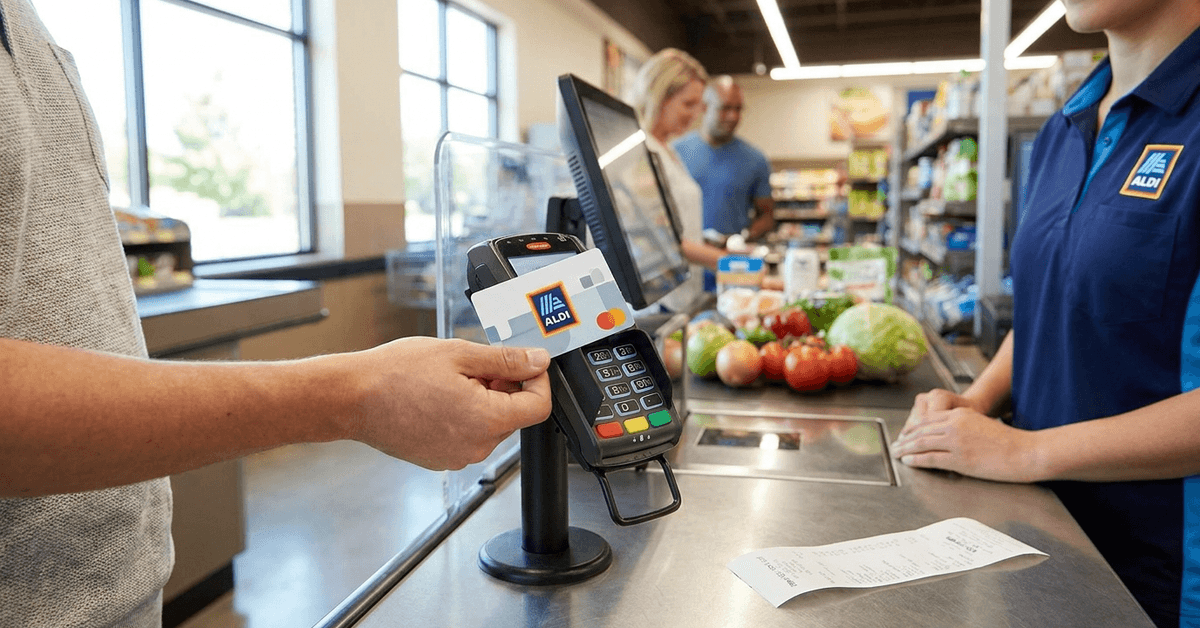
The Sam's Club Mastercard gives Club-tier members just 1% back on in-store purchases. That single number reshapes the entire value equation for this card, and almost no review leads with it.
Every cashback breakdown you'll find online headlines the 5% gas and 3% Sam's Club rates. The 3% in-store rate is locked behind the Plus membership at $110 per year. Standard Club members at $50 per year earn the same 1% at Sam's Club that they'd get buying socks at Target.
This review is for the Club-level member who saw "3% back at Sam's Club" in an ad and assumed that rate came with the card. It does not.
The Plus-Only Rewards Split Changes the Math
Plus members earn 3% back in Sam's Cash on Sam's Club purchases. Club members earn 1% cash back.
That distinction sits buried in the card's terms, and it fundamentally changes whether this card makes sense for about half the people considering it.
What $60 More Per Year Gets and Doesn't Get
Upgrading from Club to Plus costs an extra $60 annually. To break even on that upgrade through the 2% in-store rewards difference alone, a cardholder would need to spend $3,000 per year at Sam's Club.
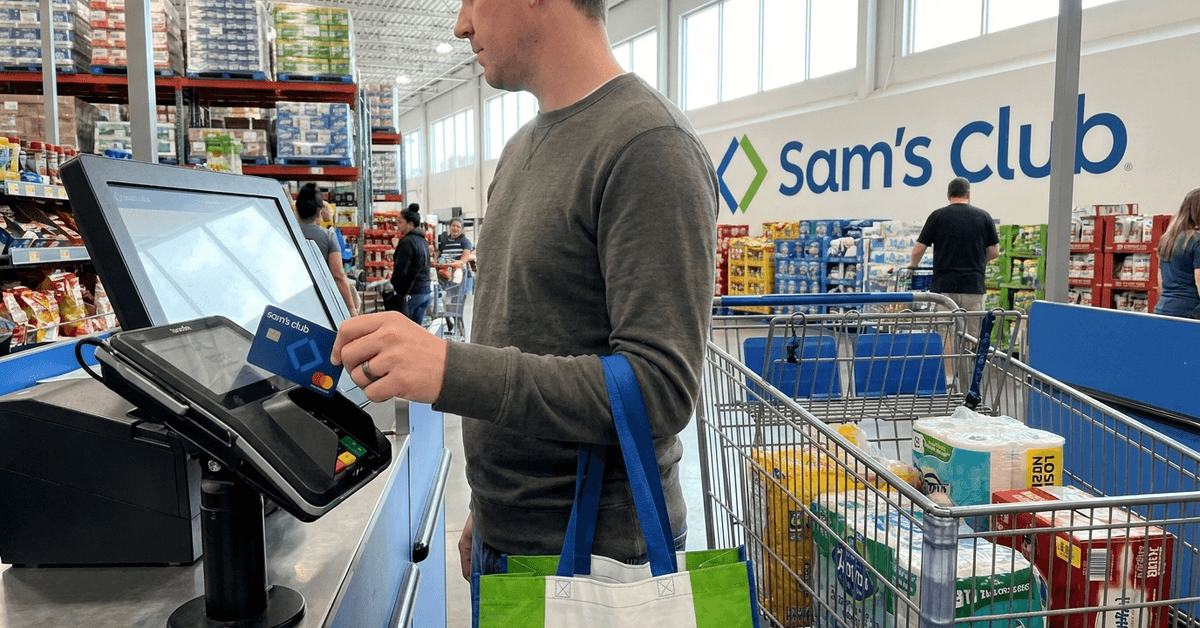
I would skip the Plus upgrade for the credit card alone based on that $3,000 annual spending threshold. A household spending less than $250 monthly at Sam's Club loses money on the membership bump.
The Plus tier has other perks like free shipping on orders over $50 and early shopping hours. But if the card's 3% rate is the main reason to upgrade, run the math first.
The Gas Rewards Are Strong Regardless of Tier
The card earns 5% back in Sam's Cash on gas and electric vehicle charging stations anywhere Mastercard is accepted, on the first $6,000 per year, then drops to 1%.
This rate applies to all cardholders, no Plus membership required. A driver spending $400 per month on gas earns $240 per year in Sam's Cash from fuel alone.
That $6,000 cap means the 5% rate covers roughly $500 per month in gas spending before it drops. If you spend $500 on gas every month, you'll earn $300 in cash back each year from that alone.
How Sam's Cash Redemption Works and Why It's Annoying
The earning rates look competitive on paper. The redemption structure is where this card loses points against flat-rate competitors.
Once-Per-Year Cashback Payout
Rewards are released in February of the year after they were earned. That means cashback from a January 2026 purchase doesn't hit the account until February 2027. A full 13-month wait on early-year spending.
Most flat-rate cashback cards like the Citi Double Cash or Wells Fargo Active Cash let cardholders redeem anytime. The Sam's Club card forces a yearly cycle.
The rewards won't be issued if the account isn't in good standing, if the membership has been cancelled, or if total rewards are under $5.
The Earning Rates Compared to No-Fee Alternatives
A side-by-side look at the Sam's Club Mastercard against two common no-annual-fee competitors:
| Feature | Sam's Club Mastercard | Citi Double Cash | Wells Fargo Active Cash |
|---|---|---|---|
| Gas rewards | 5% (up to $6k/yr) | 2% | 2% |
| Dining rewards | 3% | 2% | 2% |
| Sam's Club purchases | 1% (Club) / 3% (Plus) | 2% | 2% |
| All other purchases | 1% | 2% | 2% |
| Redemption timing | February (annual) | Anytime | Anytime |
| Membership required | Yes ($50-$110/yr) | No | No |
The Sam's Club card wins on gas and dining. It loses on general spending, where competitors pay double. A shopper putting $1,000 monthly on non-category purchases earns $120 per year with the Sam's Club card versus $240 with the Citi Double Cash.
APR and Credit-Building: A Mismatch People Overlook
A lot of articles position this card as a credit-building tool. I think that framing is misleading given the 20.40% to 28.40% variable APR that Synchrony Bank assigns to this card.
Why This Card Is a Poor Pick for Credit Building
Secured credit cards from Capital One or Discover charge APRs in a similar range but require a deposit that limits spending. The Sam's Club Mastercard has no spending deposit and no introductory 0% APR period.
A cardholder carrying a $2,000 balance at the 28.40% rate pays roughly $568 in annual interest. That wipes out every dollar of cashback earned on anything short of a major gas budget.
But a secured card with a $200 deposit does the same thing with far less risk of accumulating expensive debt. A new credit builder carrying even a small revolving balance on this card is lighting money on fire.
The No-Annual-Fee Illusion
The card has no annual fee on its own. But it requires an active Sam's Club membership to function. The cheapest membership is $50 per year. That $50 is the effective annual cost of keeping this card open.
Cancelling the membership deactivates the card. So the "no annual fee" selling point only holds if the cardholder was already paying for Sam's Club membership independently of the credit card decision.
Stacking the Card With Sam's Club Deals
The card works best when combined with Sam's Club's own pricing structure. A few specific scenarios where the pairing pays off:
- Sam's Club gas stations price fuel below nearby competitors by $0.05 to $0.20 per gallon in many markets. The 5% cashback stacks on top of that price difference, compounding savings.
- Scan & Go checkout in the Sam's Club app lets cardholders skip register lines entirely, and the card can be loaded as the default payment method inside the app.
- Seasonal promotions on big-ticket items like appliances or electronics occasionally appear. Timing a $1,500 appliance purchase during a promotion while paying with the card on a Plus membership earns $45 in Sam's Cash on that single transaction.
These stacking opportunities make the card measurably better than using a generic 2% card at Sam's Club. But only for shoppers who are already spending at the warehouse regularly enough to justify the membership cost.
Who Gets Real Value From This Card and Who Doesn't
The card has a specific sweet spot. It falls apart outside of it. A few profiles and how the card fits:
- A family spending $400+ monthly on gas earns $240 per year from the 5% rate alone, making the card worth holding even if they never shop at Sam's Club.
- A Plus member spending $300+ monthly at Sam's Club earns $108 per year in-store plus gas and dining rewards on top. The card becomes a solid secondary card.
- A Club-level member who shops Sam's Club twice a month earns almost nothing in-store at the 1% rate. A flat 2% card would outperform this one on every Sam's Club purchase.
- Someone trying to build credit from scratch should look at the Discover it Secured card instead. Lower risk, similar bureau reporting, and no membership fee requirement.
Questions People Ask About the Sam's Club Credit Card
These are the questions that come up most often when people are weighing this card against other options.
- Q: Can I use the Sam's Club Mastercard outside of Sam's Club?
The Mastercard version works anywhere Mastercard is accepted worldwide. It also carries a 0% foreign transaction fee, which makes it functional for international travel on gas and dining spending. - Q: Do I lose my Sam's Cash if I downgrade from Plus to Club?
Accumulated Sam's Cash stays in the account as long as the membership remains active at any tier. But the in-store earning rate drops from 3% to 1% immediately upon downgrading. Timing a downgrade right after the February payout minimizes lost earnings. - Q: Is there a sign-up bonus for the Sam's Club credit card?
As of 2026, the card carries no introductory bonus offer. That makes it weaker at launch compared to cards like the Chase Freedom Unlimited, which typically offers $200 or more in bonus cash for meeting an initial spending requirement.
Conclusion
The Sam's Club Mastercard is a gas-first card wearing a store card's clothing, and the membership tier split decides its real value. Club-level members earn less in-store than they would with a generic flat-rate cashback card.
Plus members who spend consistently at Sam's Club and fill up at Sam's Club gas stations can pull $300 to $500 per year in Sam's Cash.
Anyone on the fence should calculate their monthly gas and in-store spending before applying, because the math either clearly works or clearly doesn't.