Delivering food and groceries with Wolt has become an accessible way to earn extra income in many European cities.
This guide lays out the real-world steps, essential requirements, and practical delivery choices involved in getting started.
Anyone interested in flexible work—with limited barriers to entry—will find this article useful, especially if straightforward, actionable information is the goal.
Who Can Apply for Wolt Courier Jobs?
Wolt courier jobs are open to people seeking flexible, independent work. Students, career changers, and part-time earners can all apply. City dwellers and cyclists often find it easiest to join.
Typical Applicant Profiles
- University students
- People between full-time jobs
- Freelancers needing extra income
- Immigrants with permission to work
Some choose courier jobs for the flexible schedule. Others need a quick source of income for a short period.
Core Requirements for Becoming a Wolt Courier
While Wolt operates in various countries, the main requirements are usually similar. Local adaptations might apply, but there are common prerequisites seen in most cities.
Minimum Age and Documents
- Minimum age: 18 years in most countries
- Valid photo ID (passport or national ID)
- Valid work permit or residency, if not a local citizen
Applicants need to be eligible to work in their country of residence. Proof of address might be required during sign-up.
Vehicle Requirements
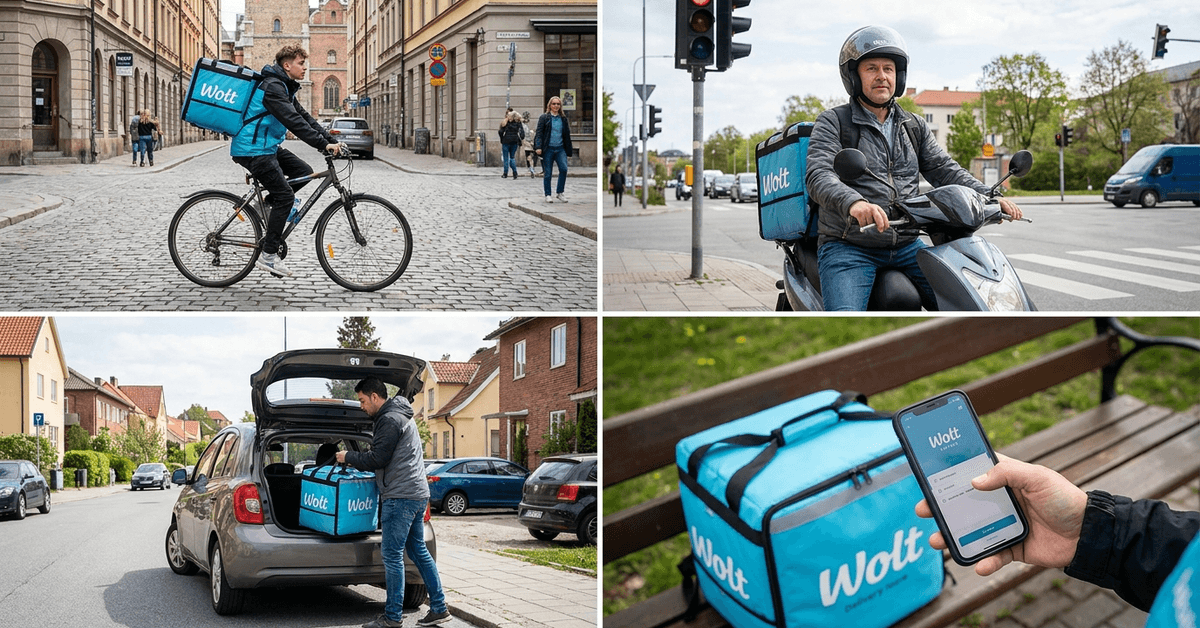
- Bicycle, scooter, car, or e-bike (city-dependent)
- Proof of vehicle insurance (for motor vehicles)
- Most cities have no strict model/year requirement for bikes
Bicycle couriers typically need a personal helmet and good breaks. Motorists must check for scooter or car insurance.
Smartphone and App Skills
- Recent smartphone (Android/iOS)
- Ability to use the Wolt Partner app
The app is the main work tool. It manages orders, routes, and earnings summary in real time.
Delivery Options Available for Wolt Couriers
Wolt allows several delivery choices, each with unique pros and cons. Some people stick with one method, while others mix options to suit their city and lifestyle.
Bicycle Delivery
This is very popular in dense cities like Copenhagen, Helsinki, and Berlin. Bicycles provide speed and easy parking but are best for short urban distances.
- Low cost, no fuel needed
- Exercise included (some see it as a fitness bonus)
Rainy or cold climates can make cycling challenging, though many riders adapt year-round.
Scooter Delivery
Used mostly in southern Europe (Athens, Rome), scooters offer wider range and faster deliveries. They require fuel and proper local licensing.
- Moderate upfront cost (for the scooter)
- Can carry heavier orders than a bike
Scooter insurance and maintenance add overhead, but delivery range improves noticeably.
Car Delivery
More common in suburban areas or for large grocery orders, car delivery can be helpful where distances are longer and weather is unpredictable.
- Extra comfort, less exposure to the elements
- Parking and city traffic can sometimes slow things down
Many cities have emissions rules, so check local requirements if using a car.
On-foot Delivery (Walking)
Only available in certain high-density city centers (for instance, some districts in Stockholm or Oslo), this option suits areas with lots of quick, short deliveries.
- Great for those with no vehicle
- Low overhead—just good shoes
Earnings may be lower due to distance limits, but competition is often low for such routes.
Step-by-Step Guide: How to Start as a Wolt Courier
Getting started is fairly straightforward, with digital onboarding as a standard across Wolt countries. The process doesn’t typically require in-person interviews.
Application and Onboarding Process
- Sign up on the Wolt website or app. Choose your local city and fill out personal details.
- Upload required documents, such as ID, proof of address, and work permit (if needed).
- Select delivery method (bike, scooter, car, walking) as per your equipment.
- Read and accept the contract, which includes service guidelines and payment info.
Some cities invite applicants to a short online orientation. This may include videos or brief quizzes.
Receiving Your Courier Gear
- Once approved, couriers receive or collect a branded backpack, sometimes a phone mount and rainwear.
- Many regions offer a gear deposit/refund system.
Some cities require gear pickup at a central hub. Others deliver it by post after document verification.
App Setup and First Delivery
Candidates download the Wolt Partner app and complete a digital walkthrough. It covers accepting orders, navigation, and support requests.
- Create an in-app profile and check payment info
- Turn on your availability to start receiving orders
Experienced couriers suggest testing the app’s map feature before going live. This helps avoid surprises on the first shift.
Earning Potential and Payment Structure
Most Wolt couriers are paid per delivery rather than hourly. The exact rate varies by city, delivery time, and order size.
How Earnings Are Calculated
- Base fee per completed delivery
- Distance and complexity bonus for longer trips
- Occasional incentive boosts during high demand or bad weather
Some cities offer guaranteed minimum pay per hour during peak times. This isn’t universal, though.
Payment Methods and Timing
- Payments are usually weekly or bi-weekly, sent by bank transfer
- Couriers can review detailed earning statements inside the Wolt app
Taxes aren’t withheld automatically. Keeping payment records is recommended for all couriers.
Legal Responsibilities and Insurance
Wolt couriers work as independent contractors in most locations, not employees. This means they set their own schedules and take care of their own insurance and taxes.
Insurance Requirements
- Motor vehicle couriers (scooter/car) must hold appropriate insurance
- Bicycle and walking couriers are often encouraged to purchase personal accident insurance
Some cities offer optional courier insurance partnerships. Checking local laws ensures compliance and protection.
Tax Compliance and Invoicing
- Self-employment tax registration is usually required
- Maintaining earning summaries and invoices is essential
- Consult a local accountant or government guidance site for up-to-date tax info
Failing to declare earnings can result in fines. Frequent tax law changes make vigilance crucial.
Useful Tips from Experienced Wolt Couriers
Real-world experience helps maximize both efficiency and earnings. Couriers in different cities offer a few practical tips to newcomers.
Peak Time Strategies
- Lunch and dinner hours (11:30-14:00, 17:30-20:00) are busiest and often pay more
- Weekend shifts tend to have higher order volume
Some recommend scouting hotspots on the app before committing to a shift, especially in a new area.
Equipment and Gear Care
- Carrying a portable power bank avoids phone battery issues during long shifts
- Waterproof clothing and gloves make bad weather less stressful
Many bike couriers suggest annual brake checks and keeping a basic tool kit.
Customer Service and Ratings
- Prompt communication when orders are delayed improves ratings
- Polite, brief messages if lost or unable to locate a customer’s address are recommended
Ratings can affect earning opportunities or access to premium zones, so small efforts add up.
Recommended Tools and Apps for Wolt Couriers
Beyond the Wolt Partner app, a few extra tools are popular among experienced couriers.
- Google Maps for alternate routes and live traffic updates
- City-specific cycling apps for avoiding roadblocks (like Komoot or Bikemap)
- Rain Alert and weather apps for planning shifts
City transport apps help with multimodal routes if combining foot/bike/bus delivery options.
Conclusion
Wolt courier work can offer flexible scheduling for eligible applicants with the required documents and suitable transportation. Success depends on efficient route planning, reliable equipment, and understanding local requirements.
Comparing delivery methods and staying prepared for traffic, weather, and customer needs can help couriers manage the work more effectively.