Have you ever wondered what it takes to become an Uber Eats driver? Flexible side hustles attract people seeking straightforward ways to earn.
This guide explains requirements, application steps, vehicle choices, earnings considerations, legal responsibilities, and daily workflow. It also offers plain-English guidance on what prospective couriers should consider before starting.
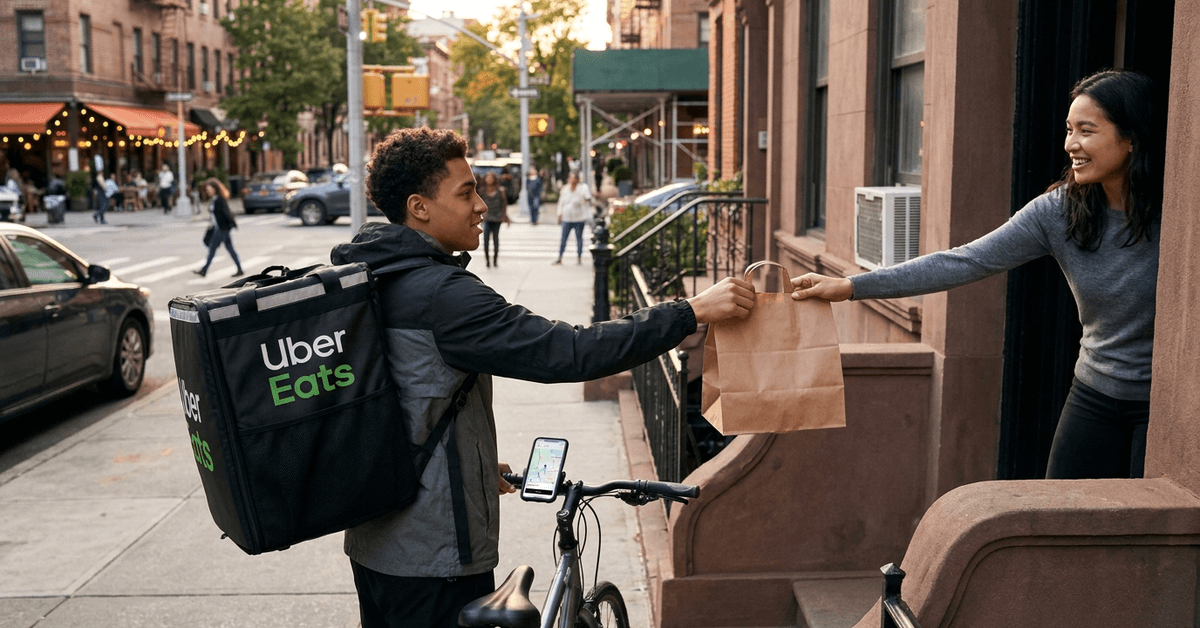
Why Consider Uber Eats Delivery Jobs?
For people seeking more autonomy, Uber Eats delivery can seem appealing because drivers may choose when to go online throughout the week. Flexible scheduling is a major attraction, although earning potential varies by location, demand, expenses, and effort.
Key Uber Eats Driver Requirements
Entry may be simpler than many traditional jobs, but several driver requirements still apply. These criteria support safety and a basic level of professionalism for customers and couriers during each delivery.
Age and Legal Requirements
Uber Eats accepts adult couriers, but minimum age rules vary by country and vehicle type. In many markets, applicants must be at least 18 or 21 before delivering. You also need the legal right to work in the country where you plan to deliver.
Accepted Vehicles and Documentation
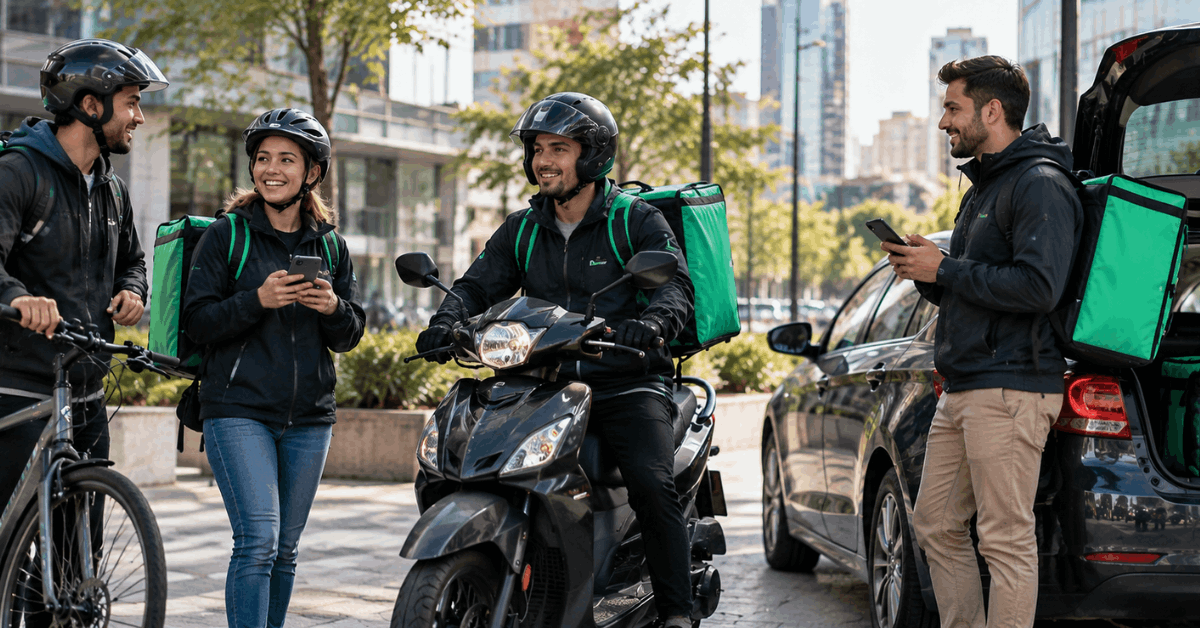
Couriers may deliver by car, bicycle, scooter, motorcycle, or on foot in selected cities. Each option can involve specific documentation, including insurance, registration, identification, or a valid driver’s license for motor vehicles.
Scooter users may need an appropriate license, while cyclists often face simpler documentation rules depending on local requirements.
Background Check Process
Uber Eats may conduct a background check during sign-up, depending on the region. Screening can include identity verification and reviews of driving or criminal records based on local rules and vehicle choice. Although unfamiliar to some applicants, it is generally a routine safety step before activation.
Smartphone Access and App Usage
Every courier needs a compatible smartphone and must be comfortable using the Uber Driver app. Order acceptance, navigation, status updates, and payment information are managed digitally. Reliable smartphone access is therefore an essential working tool during delivery shifts.
How to Get Started: Application & Onboarding Steps
The Uber Eats driver application is generally straightforward to follow, even for people who dislike paperwork. Some stages take longer, especially identity checks, document reviews, and background screening.
Step 1: Create Your Uber Account
Most applicants provide a valid email address, phone number, and government-issued identification when creating an account.
Registration usually begins online or through the Uber Driver app, where requested personal information is submitted. Existing Uber rider accounts may simplify sign-in, although additional screening can still apply to delivery work.
Step 2: Submit Required Documents
Depending on region and vehicle, Uber may request a driver’s license, insurance, registration, identification, or a profile photo.
Uploaded documents should be clear, current, complete, and easy to read. Blurry, cropped, dark, or shadowed images may cause approval delays or require another upload.
Step 3: Background Screening and Waiting Period
After submission, Uber reviews the application and completes any necessary screening. Waiting periods vary by location and circumstances, so approval may take several days or longer.
If documents are missing or unclear, Uber may request additional clarification through email or the app.
Step 4: Download the App and Start Exploring
Once approved, couriers can sign in to the Uber Driver app and view available delivery requests. The app manages availability, pickup information, navigation, and customer updates during active deliveries. Drivers can also review delivery activity and account information as they learn the platform.
Choosing the Right Vehicle for Uber Eats
One distinctive part of Uber Eats delivery is the transport flexibility available in supported markets. The best choice depends on your city, weather, traffic, distances, comfort, operating costs, delivery distances, and local platform rules.
Pros and Cons of Each Vehicle Type
Each transport method offers different advantages and drawbacks affecting comfort, speed, expenses, and delivery range. Comparing these differences can help couriers select an option that fits their circumstances.
- Car: Offers weather protection and longer range, but fuel, parking, insurance, and maintenance can increase costs.
- Bicycle: Avoids fuel expenses and provides exercise, although distance, weather, hills, and physical effort may limit range.
- Scooter or motorcycle: Handles urban traffic well, but still requires fuel, appropriate licensing, insurance, and careful riding.
- On foot: Available only in selected locations, with minimal transport costs but a limited range suited mainly to short deliveries.
Tips for Smoother Deliveries and Better Earnings
Delivery pay can fluctuate because of location, demand, time, promotions, expenses, and customer tips. Some periods are busier than others, so planning can help make delivery work more efficient.
Work Peak Hours and Busy Locations
Lunch, dinner, weekends, and public holidays may generate higher order demand in some cities. Urban centers can be busier than suburban areas because restaurants and customers are often closer together.
However, traffic, restaurant delays, and parking problems can reduce delivery efficiency during busy periods.
Optimize Route and Time Management
GPS navigation is useful, but the suggested route is not always the fastest practical route. Construction, closures, traffic, parking restrictions, and local conditions can change travel times. Some couriers review routes before leaving restaurants to support better time management.
Customer Service Counts
Clear communication and timely updates can improve the customer experience when delays or access problems occur.
Couriers can use in-app messages to explain waits, confirm details, or provide necessary updates. Tips are not guaranteed, but professional communication and reliable service may support positive customer feedback.
Legal, Insurance, and Tax Factors for Uber Eats Drivers
Following local laws and platform rules is an important responsibility for anyone earning through delivery work. Worker classification, taxes, insurance obligations, and reporting requirements differ between countries and regions.
Self-Employment and Income Taxes
Depending on country and earnings, you may need to report delivery income for tax purposes. Keeping records of Uber Eats payouts and expenses, such as fuel or equipment, can make reporting easier.
Because tax rules vary, couriers should check local tax requirements that apply to their circumstances.
Insurance Considerations
Personal vehicle insurance does not always cover business delivery use when a car, scooter, or motorcycle is used for paid work.
Some regions or insurers may require additional coverage specifically for commercial or food-delivery activity. Reviewing policy terms and local insurance rules before starting can clarify what coverage is needed.
Conclusion
Becoming an Uber Eats delivery driver involves understanding basic eligibility rules, completing the application, and choosing suitable transport. Couriers should also consider scheduling, navigation, customer service, insurance, taxes, and operating costs.
Because requirements and earnings vary by location, checking current local information before starting remains important. Reviewing these factors can help prospective drivers decide more confidently whether Uber Eats delivery fits their schedule, resources, and earning goals in their area.