Finding packing jobs in Japan can lead you to stable and rewarding work. These roles are in high demand in industries like logistics, manufacturing, and e-commerce.
You’ll learn about job types, salaries, requirements, and how to apply successfully. This guide provides all the essential details to help you start working confidently in Japan.
Understanding Packing Jobs in Japan
Japan’s growing logistics and e-commerce sectors make packing jobs important. These positions ensure that goods are stored, labeled, and shipped efficiently.
Whether you’re a resident or a foreigner, this type of work offers accessible opportunities across the country.
What Are Packing Jobs?
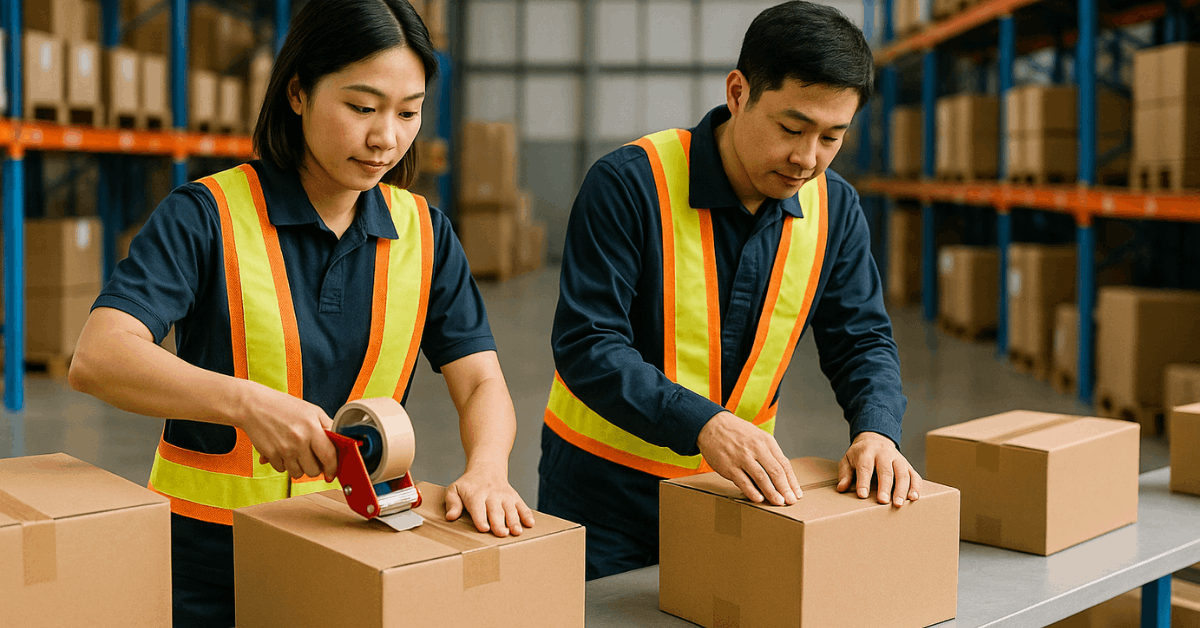
Packing jobs involve organizing, labeling, and sealing products before shipment. Workers prepare materials, inspect packaging, and use machines or hand tools.
The role requires attention to detail and adherence to safety guidelines. Most tasks are simple but repetitive, making discipline and focus essential.
Industries Offering Packing Jobs
Packing jobs exist across multiple fields. Here are the most common industries:
- Food and Beverage: Involves sealing and labeling packaged foods and beverages.
- Electronics: Requires careful handling and boxing of small parts and devices.
- Cosmetics: Workers pack fragile bottles and apply accurate product labels.
- E-commerce and Retail: Focuses on sorting, boxing, and sending customer orders.
Common Job Roles and Their Descriptions
Each industry offers different types of packing work. Job titles may vary, but tasks often overlap. Below are the most frequent roles and their responsibilities.
- Warehouse Packer: Handles labeling, sealing, and preparing items for delivery.
- Factory Line Worker: Operates packing machinery to maintain production speed.
- Quality Control Assistant: Checks that products meet packaging and quality standards.
- Inventory Clerk: Monitors item quantities and ensures accurate storage data.
- Logistics Assistant: Coordinates delivery schedules and supports warehouse operations.
These roles provide a good starting point for anyone entering Japan’s labor market.
Job Requirements and Qualifications
Packing jobs in Japan do not demand advanced education. However, companies expect reliability, cooperation, and basic communication skills.
Physical fitness and teamwork are also important for consistent performance. Understanding what employers require helps you prepare better.
Basic Requirements
You must have at least a high school education. Some positions require physical strength to lift 10–20 kilograms safely.
Basic Japanese communication at the N4 or N5 level improves your hiring chances. Foreign applicants need a valid working visa or permission to work.
Preferred Skills
Employers favor candidates with strong attention to detail and time management. Teamwork and discipline are highly valued in Japanese workplaces.
Knowing how to follow safety and hygiene rules is essential. Having prior factory or logistics experience gives you an advantage.
Visa and Legal Requirements
Foreigners must secure the proper visa before working in packing roles. Japan has specific visa types for this category. Knowing your options ensures legal employment and better job security.
Work Visa Options
You can apply for these visas through your employer, recruitment agency, or Japan’s immigration office. Always verify that your job offer complies with visa regulations.
- Specified Skilled Worker (SSW Type 1): Designed for logistics and manufacturing workers.
- Technical Intern Training Program (TITP): Suitable for trainees learning factory operations.
- Student or Dependent Visa (with Work Permit): Allows part-time work under specific limits.
Average Salaries and Working Conditions
Salaries for packing jobs depend on region and industry type. Most positions provide stable income and possible overtime pay.
Conditions vary between factory settings and logistics warehouses. Understanding these details helps you plan your finances and work expectations.
Salary Range
Entry-level packers earn between ¥1,000 and ¥1,400 per hour. Full-time monthly salaries range from ¥180,000 to ¥250,000, depending on shifts and duties.
Workers on night shifts often receive additional pay. Overtime is common and compensated according to labor laws.
Work Environment
Most packing jobs are indoors with clean and organized setups. Employees receive uniforms and safety gear such as gloves and masks.
Work schedules may rotate between day and night shifts. Transportation allowances and meal support are often included in benefits.
Top Cities and Regions Hiring
Japan’s manufacturing and distribution centers are located across major cities. Each region offers unique job opportunities. Knowing these areas helps narrow your search effectively.
Major Hiring Areas
These regions often have both temporary and long-term contracts.
- Tokyo: Large warehouses and online retail facilities.
- Osaka: Home to many food and consumer goods factories.
- Aichi (Nagoya): Known for automotive and parts packaging plants.
- Fukuoka: Expanding logistics base in Kyushu.
- Hokkaido: Seasonal packaging for agricultural and food products.
Where to Find Packing Jobs?
Reliable job sources make the application process easier. Japan has several online and government platforms where you can find openings. Always verify listings and company details before applying.

Online Job Portals
These platforms list full-time, part-time, and factory-based opportunities across different regions.
- Townwork.net – Popular for part-time and factory jobs.
- HelloWork – Japan’s official employment service.
- GaijinPot Jobs – Suitable for foreign applicants.
- Indeed, Japan offers both Japanese and English listings.
- LINE Jobs – Quick-access listings through the LINE app.
Recruitment Agencies
Recruitment companies like Global Support or HelloWorld connect foreigners to verified employers.
They can help with visa paperwork, contracts, and translations. This is ideal if you are new to Japan’s job market.
How to Apply for Packing Jobs in Japan?
Applying is straightforward but requires attention to detail. Prepare your documents and follow instructions carefully. Japanese employers appreciate complete and organized applications.
Application Steps
Completing these steps correctly increases your hiring chances.
- Search for job openings through online portals or agencies.
- Prepare your Japanese-style resume (rirekisho) with accurate information.
- Submit your application and required documents.
- Attend the interview either in person or online.
- Wait for the job offer and review contract details.
- Update or apply for a valid work visa before starting.
Tips to Succeed in Packing Jobs
Success in packing jobs depends on work habits and cooperation. Employers in Japan value punctuality and consistency. You can stand out by practicing discipline and communication.
- Learn basic Japanese workplace phrases to communicate clearly.
- Follow all safety and cleanliness standards at your station.
- Build team relationships by being respectful and helpful.
- Keep a steady pace and complete tasks on time.
- Take short breaks to prevent fatigue and maintain focus.
These habits help maintain a good reputation and long-term employment.
Challenges and How to Overcome Them
Packing jobs can be physically tiring and repetitive. Foreigners may also face language or cultural barriers. Understanding these challenges early helps you adapt better.
Common Challenges
These challenges often involve physical effort, language barriers, and adapting to company routines.
- Long hours or overnight shifts.
- Communication difficulties.
- Repetitive motions and limited variation.
- Adjusting to a strict workplace hierarchy.
Solutions
Improve your Japanese language skills gradually through daily practice. Follow workplace etiquette and observe how coworkers communicate.
Maintain proper rest, hydration, and posture to prevent fatigue. Stay consistent—Japanese employers reward reliability.
Career Growth Opportunities
Packing jobs can lead to better roles in logistics and manufacturing. Consistency and performance often result in promotions. Employers recognize hard-working and responsible employees.
Possible Career Paths
You can also use this experience to apply for better-paying factory or logistics roles in the future.
- Team Leader or Supervisor: Oversees packing teams and schedules.
- Machine Operator: Handles automated packaging systems.
- Quality Control Staff: Monitors product standards and documentation.
- Warehouse Manager: Manages logistics flow and staff coordination.
Work Culture and Expectations
Understanding Japanese workplace culture is vital for success. Respect, punctuality, and teamwork are core values. Following these ensures smooth communication and job stability.
Employees greet coworkers with politeness and respect the hierarchy. Arriving early for shifts shows commitment.
Keeping your workspace clean reflects professionalism. Adapting to these habits helps build trust in the workplace.
Living and Working in Japan
Living in Japan as a packing worker offers stability and structure. Most workplaces are located near residential areas, making commuting easy.
Foreigners benefit from Japan’s organized lifestyle and secure environment. Learning the language and culture will improve both your career and daily life.
You should also manage housing, transportation, and taxes early on. Many companies assist foreign staff in finding accommodation or provide dormitories.
Conclusion – Start Your Career in Japan’s Packing Industry
Packing jobs in Japan offer a steady income and a chance to experience Japan’s work culture. You can find positions across different industries with clear career growth.
Prepare your documents, learn basic Japanese, and apply through official channels. With commitment and focus, you’ll build a strong foundation for a successful career in Japan.