Japan’s construction sector continues to expand, driven by infrastructure renewal and urban development needs nationwide. Many foreign job seekers are now exploring construction jobs in Japan as a viable employment path supported by national policy.
Unlike informal labor markets, Japan relies on regulated systems to recruit overseas workers legally. Understanding how these systems operate prevents application errors and delays.
This article explains official methods, roles, benefits, requirements, and application steps. It is written to help you prepare properly. The goal is to guide you toward compliant and successful employment.
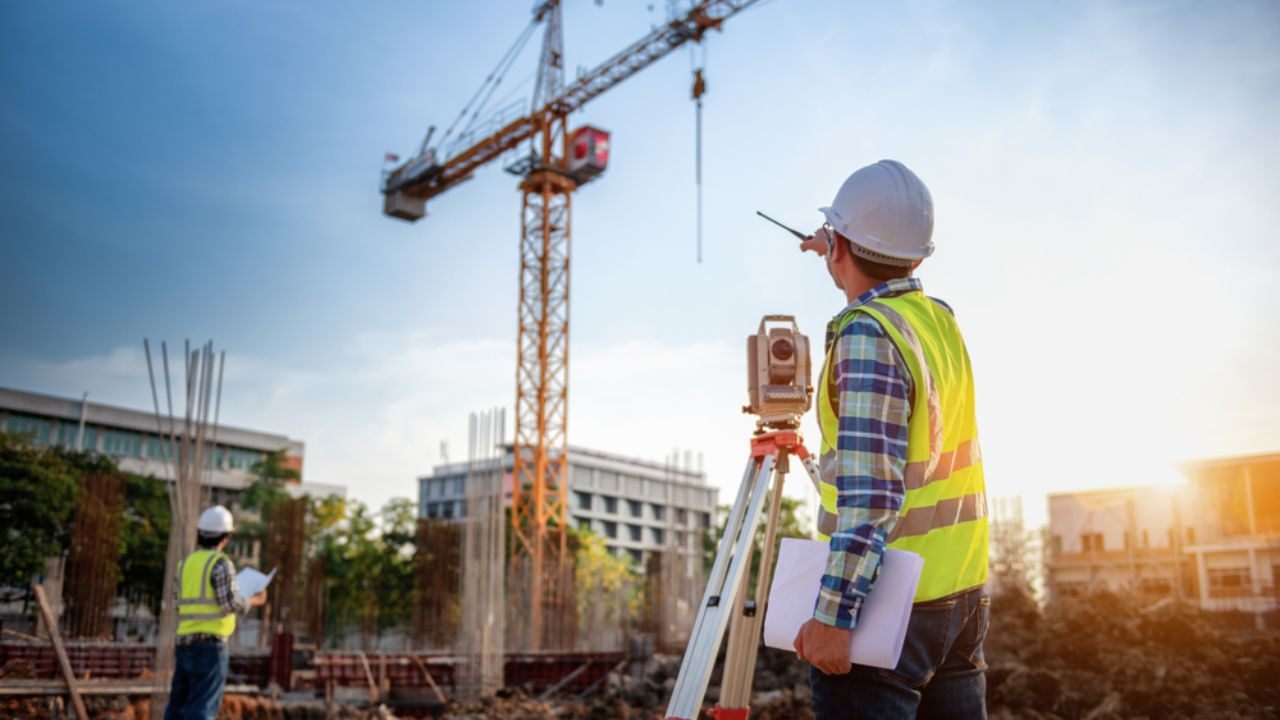
Understanding Construction Jobs In Japan For Foreign Workers
Construction employment in Japan is structured around safety, compliance, and clearly defined responsibilities.
Foreign workers are integrated through regulated visa categories and employer obligations. Job sites follow strict supervision protocols and work allocation systems.

You are expected to follow instructions precisely and respect workplace hierarchy. Understanding this structure reduces adjustment challenges. This foundation supports long-term employment stability for foreign workers.
Why Japan Formally Recruits Foreign Construction Workers
Japan’s aging population has reduced the availability of domestic labor in physically demanding industries. Government policy allows foreign recruitment to sustain infrastructure projects nationwide.
Construction work is prioritized because delays affect public services and economic growth. Employers must prove labor shortages before hiring internationally.
This system protects both local and foreign workers by maintaining policy-controlled recruitment. The policy framework ensures controlled workforce integration rather than informal hiring.
Construction Project Types Open To Foreign Applicants
Foreign workers are commonly hired for public infrastructure, residential housing, and industrial construction projects. Road expansion, bridge maintenance, and urban redevelopment frequently require additional manpower.
Private developers also rely on approved foreign labor for large-scale builds. Each project type follows government-approved safety and wage standards.
Placement depends on regional demand and visa category, shaping project allocation decisions. These projects offer consistent employment opportunities for qualified applicants.
Worksite Standards And Employer Responsibilities
Employers are legally required to provide safety training and protective equipment before work begins. Worksites operate under daily supervision protocols that ensure regulatory compliance and task accuracy.
Foreign workers must receive clear explanations of tasks and risks. Employers are accountable for working hours, wages, and insurance enrollment.
Violations can result in penalties or license suspension. These standards ensure regulated working conditions across construction sites.
Official Platforms To Apply For Construction Jobs
Foreign applicants must use official channels when applying for construction roles in Japan.
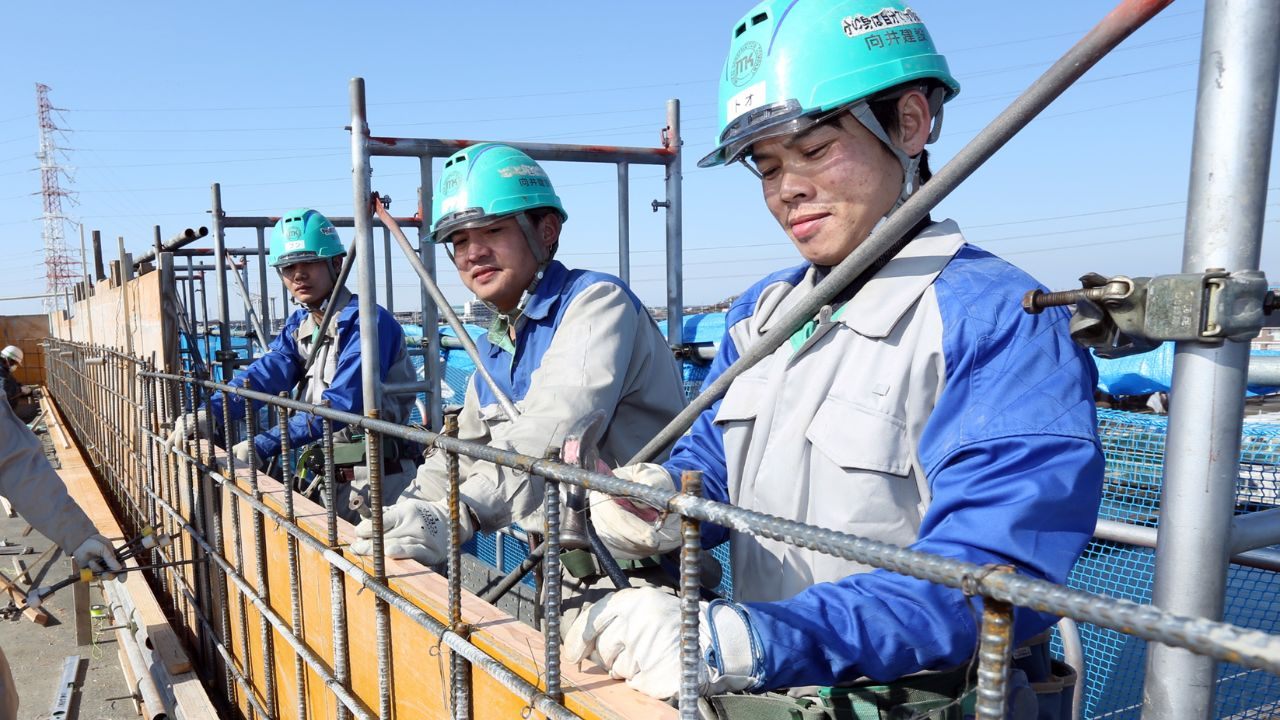
These systems are supervised by government bodies and licensed organizations. Informal job listings are not valid for visa processing.
Using approved platforms protects your legal status and employment rights throughout the process. Each method follows defined procedures to ensure lawful job placement. This approach ensures legal access to employment for foreign workers.
Specified Skilled Worker Construction Portals
The Specified Skilled Worker program includes construction as an approved sector for foreign employment. Dedicated online job portals list employer openings that accept foreign applicants under this framework.
These portals outline job duties, wages, and contract terms clearly. Applicants must meet skill and language requirements before placement.
Employers coordinate directly with immigration authorities. This system provides visa-linked job matching for construction roles.
JITCO And Supervising Organization Networks
Supervising organizations operate under national authorization to manage the placement of foreign workers from start to finish. These organizations coordinate between employers and applicants.
They ensure contracts meet legal requirements and monitor workplace conditions. Applications are processed through structured screening systems.
Support is provided throughout onboarding and employment to ensure continuous oversight. This network creates regulated employment oversight throughout the work period.
Ministry Approved Overseas Recruitment Partners
Some foreign applicants apply through licensed agencies in their home countries before traveling to Japan. These agencies are officially recognized by Japanese labor authorities.
They assist with documentation, testing, and employer matching. Applicants should verify agency licensing before proceeding. All offers must be issued in writing, protecting cross-border compliance. This method enables compliant overseas recruitment.
Construction Roles Available To Foreign Applicants
Construction jobs in Japan cover a wide range of roles depending on skill level and project scope.
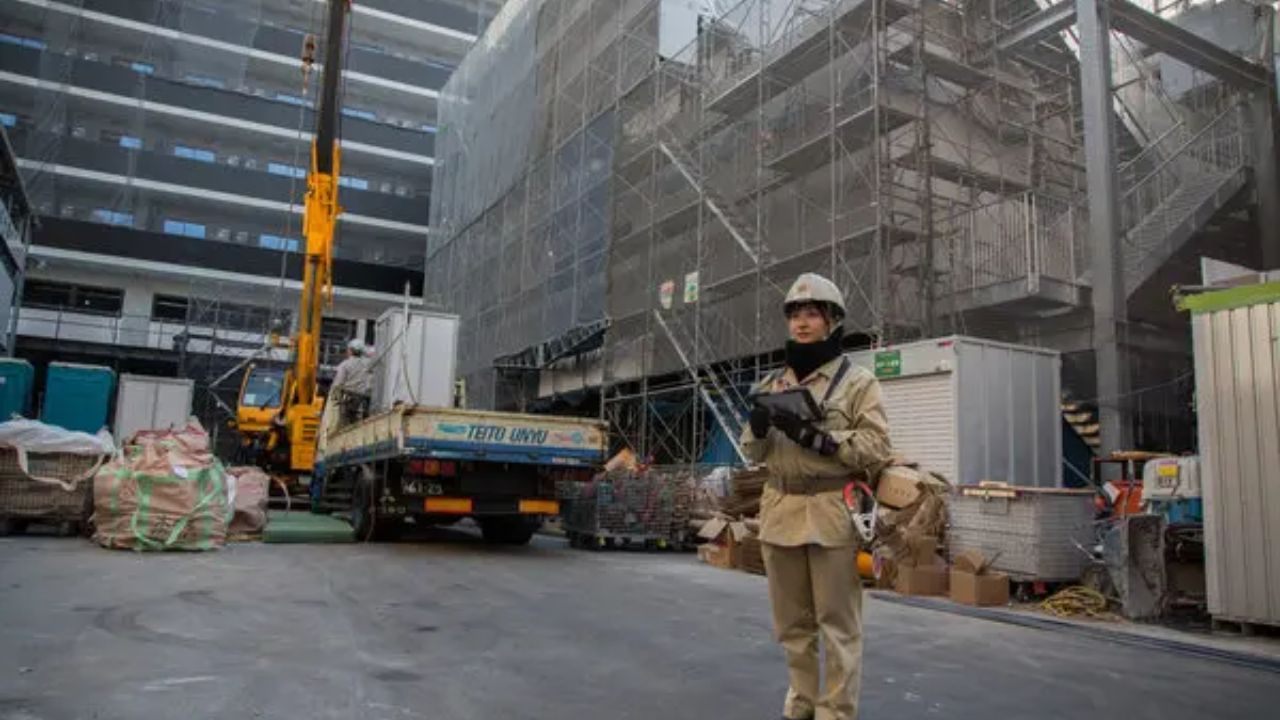
Foreign workers are assigned tasks aligned with training and visa category requirements. Each role contributes to project completion and safety compliance. Understanding responsibilities helps you choose suitable positions.
Employers value reliability and consistency across workforce deployment. These roles support project-based workforce demand across regions.
General Construction Labor And Site Support Roles
Entry-level roles involve material handling, site cleaning, and basic support tasks across job sites. Workers assist skilled trades by preparing tools and supplies. Tasks follow clear instructions and schedules.
Physical endurance is required due to outdoor conditions. Training is provided at the job site. These roles offer entry-level access for first-time applicants.
Skilled Trades Recognized Under Construction Categories
Skilled roles include rebar installation, formwork, scaffolding, and finishing work on approved projects.
Applicants must pass skill evaluations before placement is confirmed. Experience improves job stability and earning potential. Employers rely on certified skills to meet project standards.
Continuous learning is encouraged on-site through trade specialization. These positions provide specialized career pathways within construction.
Machinery Assistance And Safety Support Roles
Some foreign workers assist licensed operators with machinery preparation and safety checks on active sites. These roles focus on coordination and hazard awareness during operations.
Direct operation may require additional certification. Safety support staff ensure compliance with site rules. Clear communication is essential in these positions to maintain operational safety. These roles strengthen worksite safety coordination efforts.
Requirements And Documents You Must Prepare
Preparation is critical before applying for construction jobs in Japan through official channels.
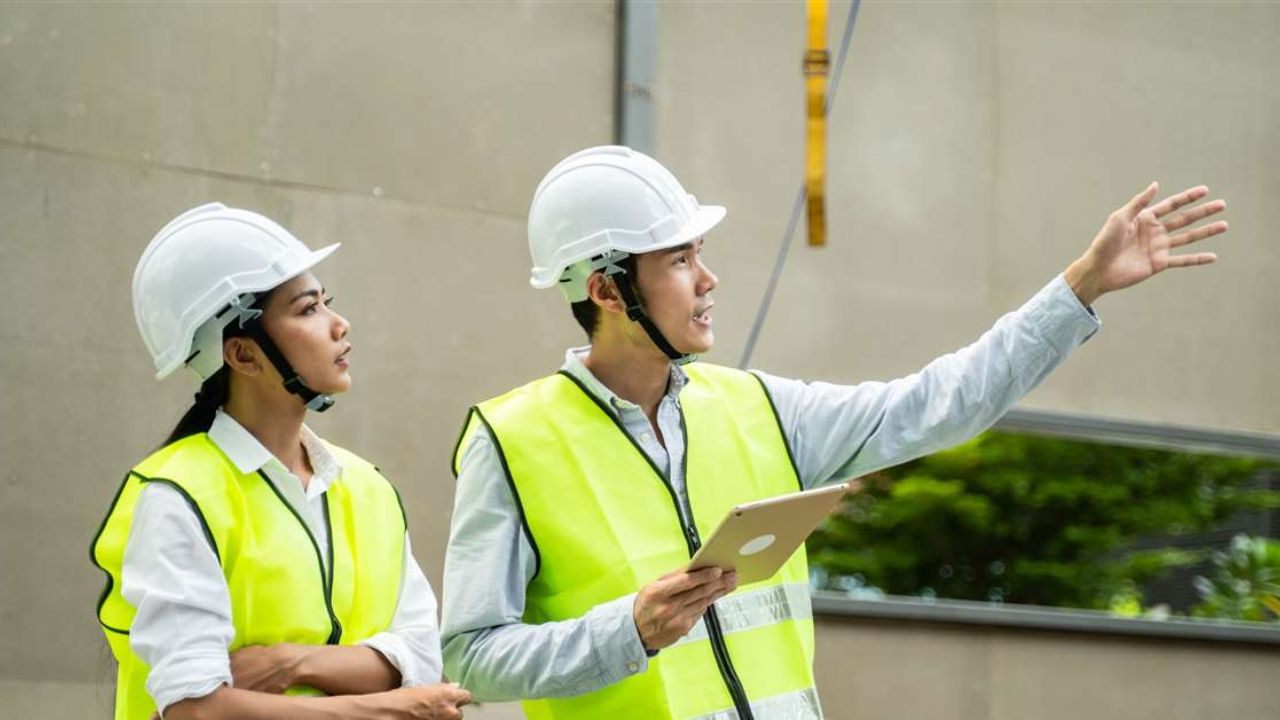
Employers and immigration authorities require complete documentation for review. Missing items delay or cancel applications. You must meet both legal and practical requirements.
Early preparation improves approval timelines by reducing administrative delays. This process ensures application readiness accuracy for foreign workers.
Visa Eligibility Under Construction Related Categories
Construction jobs are typically covered under the Specified Skilled Worker visa category. Eligibility depends on nationality, skill test results, and language ability assessed during screening.
Some roles require sector-specific certification. Visa sponsorship is handled through approved employers. Immigration rules are strictly enforced to maintain visa compliance. Confirming eligibility prevents processing interruptions.
Required Documents And Certification Preparation
Applicants must prepare passports, resumes, and skill test results before submission to employers. Medical examinations are often required before final approval. Documents may need certified translations.
Accuracy is essential in all submissions. Employers review materials carefully. Proper preparation demonstrates application credibility and professional standards.
Language And Safety Training Expectations
Basic Japanese proficiency is required for on-site construction safety communication. Training covers hazard awareness and emergency procedures specific to construction environments.
Language ability improves job performance and integration. Employers may provide introductory training sessions. Ongoing on-site instruction reinforces workplace safety. This preparation supports safe workplace participation.
Step-by-Step Guide To Applying Through Official Channels
Applying correctly improves your chances of successful placement within regulated systems.

You must follow the official instructions provided by authorized organizations exactly. Each step is documented and reviewed.
Skipping steps leads to rejection. A disciplined approach is required throughout the application sequence. This process ensures structured application progression from start to finish.
Applying Through Approved Organizations And Portals
You submit applications through government-linked portals or licensed agencies recognized by authorities. Required forms must be completed accurately to avoid delays.
Supporting documents have been uploaded per the instructions. Confirmation emails verify submission status. Incomplete applications are returned to reinforce submission accuracy. This step establishes formal applicant registration.
Skill Testing, Interviews, And Employer Matching
Applicants undergo skill evaluations relevant to construction tasks assigned by employers. Interviews assess reliability and readiness for physical and team-based work.
Employers review results before making selections. Matching is based on project needs and availability. Feedback timelines vary by region. This stage determines candidate suitability for placement.
Contract Review And Immigration Processing
Job offers are issued in written contracts that clearly outline wages and conditions. You must review contract terms carefully before acceptance. Immigration processing begins after contract confirmation.
Visa issuance timelines vary by country. Final approval is required before travel. This step completes legal authorization for employment.
Conclusion
Construction work in Japan offers structured employment when approached correctly and legally. Foreign workers must rely on official systems and verified platforms rather than informal listings.
Employers value reliability and safety awareness. With proper planning and patience, construction jobs in Japan can provide stable and lawful employment opportunities for foreign applicants.