Working in Japan’s restaurant industry offers both cultural learning and career growth for foreigners.
The sector is constantly hiring due to Japan’s tourism, aging population, and strong dining culture.
Many foreigners begin their professional journey here through part-time or full-time jobs. This guide explains everything you need to know about restaurant jobs in Japan, from positions available to application steps and success tips.
Understanding the Restaurant Industry in Japan
Japan’s food culture is deeply tied to its traditions and hospitality values. Restaurants in Japan range from small ramen shops to high-end sushi bars and international franchises.
The industry’s diversity means there’s always a demand for skilled, disciplined, and service-oriented workers.
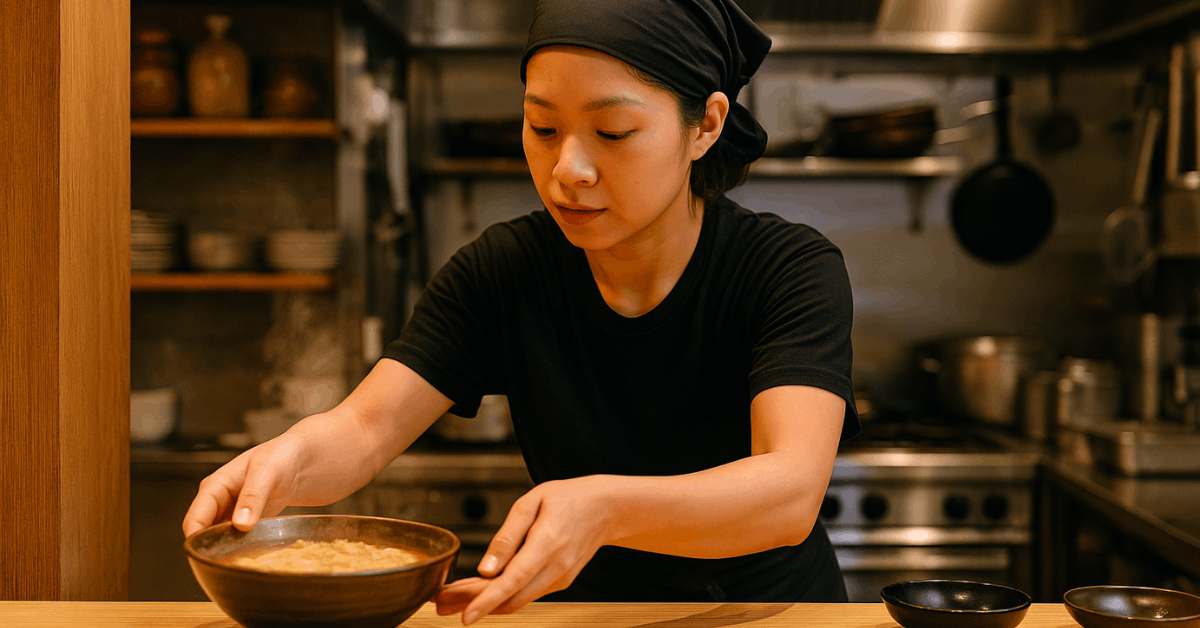
Understanding how this industry functions helps you choose the right path for your skills and goals.
Overview of the Restaurant Market
Japan’s dining scene is vast and globally recognized for its efficiency and customer service.
Cities like Tokyo and Osaka are home to thousands of eateries, ranging from traditional izakayas to Western-style cafés.
The increasing number of tourists also drives demand for multilingual employees who can assist both locals and visitors.
Language and Cultural Expectations
While English-speaking restaurants exist, basic Japanese communication remains important.
Employers value workers who can use simple greetings like “irasshaimase” (welcome) and “arigatou gozaimasu” (thank you).
Punctuality, teamwork, and respect for hierarchy are essential traits in Japanese workplaces. Learning to follow instructions precisely is considered a sign of reliability and professionalism.
Types of Restaurant Jobs Available for Foreigners
Foreigners can work in many roles depending on their experience, visa type, and Japanese level.
Each job contributes to smooth restaurant operations and offers opportunities to learn valuable skills.
Whether you prefer customer-facing positions or behind-the-scenes roles, the restaurant sector provides a range of options.
Job Roles
Each role offers training, flexibility, and the chance to improve language skills while earning a stable income.
- Waiter/Waitress: Takes customer orders, serves meals, and maintains a friendly atmosphere.
- Kitchen Staff: Prepares ingredients, cleans workstations, and supports chefs during rush hours.
- Chef/Cook: Handles menu preparation and ensures food quality meets restaurant standards.
- Dishwasher: Maintains kitchen cleanliness and keeps utensils ready for use.
- Cashier: Manages transactions and assists customers at the counter.
- Barista/Bartender: Prepares coffee, drinks, or cocktails while engaging politely with customers.
- Restaurant Manager: Oversees daily operations, supervises staff, and ensures service consistency.
Requirements and Qualifications
Understanding the basic requirements before applying ensures a smoother process. Employers in Japan expect discipline, reliability, and the ability to adapt to a team-oriented environment.
Most jobs are open to foreigners with valid working permission and basic communication skills.
General Requirements
Applicants need a valid working visa, student visa, or dependent visa with employment approval. Many employers prefer workers with at least JLPT N4-level Japanese proficiency.
Clean records, good health, and flexible availability are also valued. Applicants must be willing to work weekends, evenings, or holidays depending on restaurant hours.
Preferred Qualifications
Experience in food service or customer interaction is an advantage. Holding a Japanese Food Hygiene Manager certificate can boost credibility.
Employers appreciate workers who understand Japanese manners such as bowing and proper speech. A professional appearance and polite communication style are often decisive in hiring.
How to Apply for Restaurant Jobs in Japan?
Applying for restaurant jobs in Japan follows a clear and formal process. You can find openings through local job boards, government employment centers, or direct applications.

Steps to Apply
Following these steps helps you demonstrate professionalism and seriousness in your job application.
- Prepare Your Resume (Rirekisho): Use the Japanese format, including a photo and educational background.
- Search Job Listings: Explore trusted platforms like TownWork, GaijinPot, HelloWork, and LINE Jobs.
- Submit Applications: Send resumes online or apply in person during non-peak hours.
- Attend the Interview: Dress neatly, arrive early, and greet interviewers with respect.
- Complete Paperwork: Review contracts carefully before signing and confirm your work hours and pay.
Popular Cities and Regions for Restaurant Work
Restaurant opportunities are abundant throughout Japan, but certain regions offer more openings.
Each area provides unique culinary experiences and working environments. Knowing where to look helps you target the right city for your goals.
Top Areas to Consider
These regions also provide better transportation systems, which make commuting to work easier.
- Tokyo: Offers diverse restaurant types and the highest number of job postings for foreigners.
- Osaka: Known for its friendly locals and bustling food scene featuring takoyaki and okonomiyaki.
- Kyoto: Famous for traditional Japanese dining and cultural restaurants.
- Hokkaido: Seasonal jobs available during winter resorts and tourism peaks.
- Okinawa: Ideal for bilingual workers due to its international tourism industry.
Average Salaries and Work Hours
Understanding salary expectations helps you plan your finances while working in Japan.
Pay varies by role, experience, and city. Major cities usually offer higher wages but come with a higher cost of living.
Salary Overview
Entry-level restaurant jobs usually pay around ¥1,000–¥1,400 per hour. Experienced cooks or bilingual staff may earn up to ¥2,000 per hour.
Full-time restaurant managers typically receive ¥250,000–¥400,000 monthly. Some employers provide bonuses or transportation allowances depending on performance.
Working Hours
Most restaurant employees work shifts between 4 and 8 hours daily. Overtime is often available, especially during weekends or holidays.
Labor laws require overtime pay, though conditions vary by contract. Workers can expect one or two days off weekly, depending on their schedule.
Work Environment and Expectations
Japan’s restaurant culture emphasizes precision, politeness, and teamwork. Each employee plays a vital role in maintaining quality and customer satisfaction.
Adapting to this environment ensures better relationships and smoother daily operations.
Typical Work Culture
Punctuality is a non-negotiable rule in Japanese workplaces. Employees must follow dress codes and grooming standards set by the restaurant.
Teamwork and clear communication help avoid mistakes during busy hours. Managers value those who stay calm under pressure and show initiative in helping others.
Tips for Success as a Foreigner
Working in a Japanese restaurant teaches valuable professional and cultural lessons.
Adapting quickly can help you gain trust and possibly advance to higher positions. Here are some essential tips to succeed.
Key Tips
Consistency and humility will help you stand out as a reliable team member.
- Practice Japanese greetings and phrases used with customers.
- Respect coworkers by listening and following directions carefully.
- Maintain cleanliness in your workspace at all times.
- Show dedication by arriving early and staying organized.
- Seek feedback and apply it to improve your performance.
Benefits of Working in Japanese Restaurants
Restaurant jobs in Japan are not only a source of income but also a chance to grow personally.
They allow you to experience the country’s culture firsthand while building your career. Many employers offer benefits that improve your work-life balance.
Benefits to Expect
Full-time employees often receive health and social insurance coverage. Workers may enjoy free or discounted meals during shifts.
Long-term staff can access paid holidays and annual bonuses. For foreigners, this job also helps develop fluency in Japanese and a better cultural understanding.
Challenges and How to Overcome Them
Working in a foreign country always presents challenges, especially in a fast-paced environment like Japan.
Adapting requires patience, effort, and open-mindedness. Identifying common difficulties prepares you for smoother experiences.
Common Challenges
Foreigners may struggle with the language barrier and unfamiliar work pace. The emphasis on precision can feel strict for newcomers.
Long hours and physical demands might also be tiring at first. Adapting to hierarchy and indirect communication can take time.
Solutions
Enrolling in Japanese language classes improves your confidence. Observing and imitating coworkers helps you learn correct work habits.
Taking proper rest and managing time effectively prevents fatigue. Building friendly relationships at work makes adaptation faster and easier.
Useful Resources for Job Seekers
Finding reliable job listings is essential when applying for restaurant positions. Japan provides several platforms and agencies that connect foreigners with legitimate employers.
Top Job Websites
These resources provide verified postings and employer contact details in both English and Japanese.
- GaijinPot Jobs – English-friendly listings for foreigners across Japan.
- TownWork.jp – Popular platform for part-time restaurant jobs.
- HelloWork (ハローワーク) – Government employment support service.
- LINE Jobs – App-based tool for convenient job matching.
Start Your Restaurant Career in Japan Today
Japan’s restaurant industry offers endless opportunities for foreigners willing to learn and work hard.
The experience can teach you language, teamwork, and cultural understanding while providing a stable income.
With preparation and determination, you can build a strong foundation for your career in Japan. Apply confidently, embrace the culture, and begin your restaurant journey today.